Amidst the serene landscapes of the Icelandic countryside and a pervasive sense of freedom, the nation stands at a crossroads over whether to resume negotiations to join the European Union. On August 31, voters will decide in a referendum whether to restart accession talks that were suspended more than a decade ago.
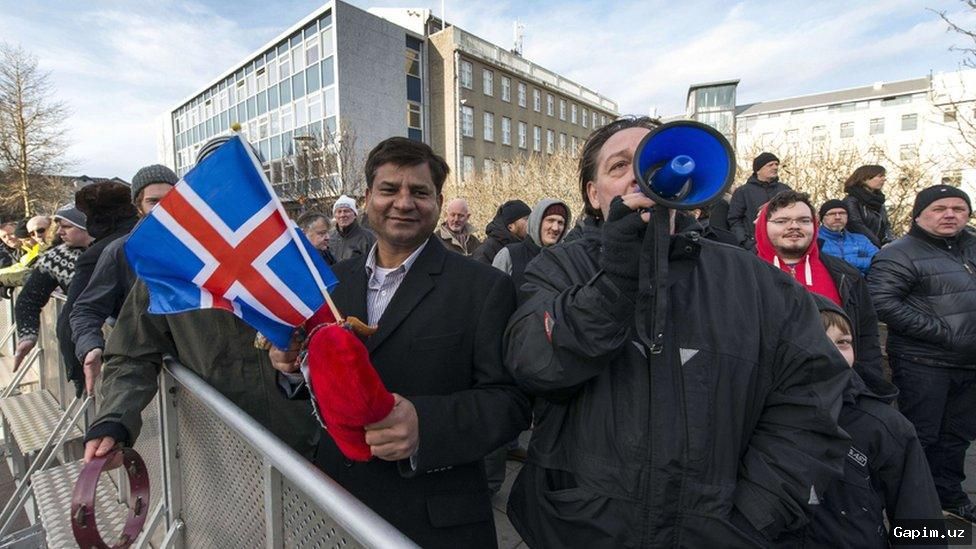
Kristjan Ingolfsson, a retired bishop living in Saubaer near Hvalfjord, reflects on the Icelandic psyche: "We have no border, just the sea all around. That gives a specific feeling of freedom." This sentiment of independence and sovereignty permeates the entire debate, whether for or against closer ties with Brussels.
At the headquarters of the pro-European campaign in Reykjavik, supporters celebrate the official launch. Snaeros Sindradottir, the 34-year-old executive director of the 'Yes' campaign, has put her art gallery career on hold to advocate for EU membership. She cites growing geopolitical uncertainty, including US President Donald Trump's threats toward Greenland, as a factor: "It's not a very comforting fact that Trump has mispronounced Greenland as Iceland on several occasions."
Iceland, with a population of about 400,000, has no standing army and relies on NATO and a bilateral defense agreement with the US. Sindradottir argues that EU membership would enhance security: "Given the situation in the United States, it would be wiser to lean on our true allies and friends in Europe."
Iceland is already closely integrated with Europe through the European Economic Area and the Schengen Zone. Pawel Bartoszek, chairman of parliament's foreign affairs committee, points to Iceland's small and volatile currency, which has led to higher inflation and interest rates compared to continental Europe. Joining the euro could lower borrowing costs for households and businesses.
In downtown Reykjavik, anti-EU campaigners, led by physics professor Haraldur Olafsson, argue that membership would be "a huge step away from democracy," as power would be transferred to external rule-makers. Olafsson, president of the Heimssyn organization, insists that Iceland must retain control over its natural resources, including fisheries and energy.
The fishing industry is a cornerstone of Iceland's prosperity, making the debate emotionally charged. Olafsson and former fisherman Agust Österby, who restores wooden boats, emphasize the Icelandic spirit of self-reliance: "It is somehow in our genes to deal with things ourselves." Österby declares, "We will never give our freedom to the European Union."
Political scientist Audunn Arnorsson warns that Iceland's strategy of maintaining a low profile "might backfire." If Iceland faces pressure similar to Greenland's from its "big brother in the West," having the option of EU accession could prove valuable, including access to the bloc's common customs protection.
Iceland's parliament is divided on the issue, cutting across party lines. Opposition leader Gudrun Hafsteinsdottir of the Independence Party fears that a small nation like Iceland would "just disappear" in the EU's 726-seat parliament, where Iceland would have only six seats. She also worries about the societal rift: "We are building a wound that won't heal for years."
Opinion polls predict a tight race, with support and opposition running neck and neck. Both camps are courting the many undecided voters who will likely determine the outcome on August 29. A 'yes' vote would not mean immediate membership but would only open accession talks, with a second referendum required before Iceland could ultimately join the bloc.
Source: www.dw.com