DAMASCUS, Syria – Nasri Tadros sweeps dust off electric scooters parked outside his small shop in central Damascus. 'I have three generators for my shop, and this runs on batteries,' he said, pointing to a battery-operated lighter. He has worked here for two years, selling hookah products.
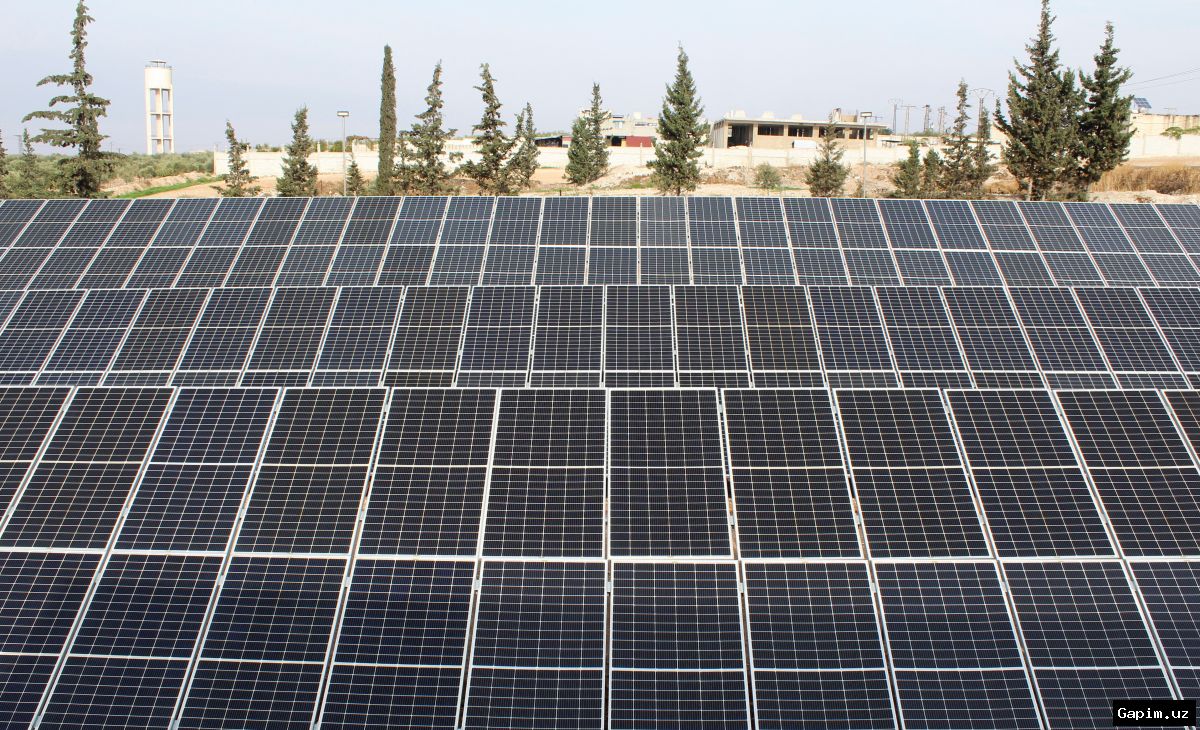
Solar panels and diesel generators are ubiquitous across Damascus. During the war's worst years, they supplemented state electricity, which was available only a few hours daily. As summer arrives with temperatures reaching the high 30s Celsius, locals report improvements: power now comes in stretches of five to six hours.
'Nothing can work without electricity,' Tadros said. After the fall of the Assad regime in late 2024, Syria's economy and infrastructure, including the power sector, are in dire need of rebuilding. In 2023, 52% of electricity came from natural gas and 45% from oil, with minimal solar contribution, according to the IEA.
In June 2025, the World Bank approved a $146 million grant to improve Syria's electricity supply. The government has boosted oil production from 10,000 to 100,000 barrels per day and aims for 200,000 by year-end. Gas import deals were signed with Azerbaijan, Jordan, and Egypt, and a $7 billion energy deal with Qatari, Turkish, and US firms.
Yet challenges persist. With nearly 90% of Syrians below the poverty line, solar panels remain unaffordable for many. Fuel shortages cause long queues at petrol stations, and internal tensions plague the Syrian Petroleum Company. 'In the first world, electricity is a right. Here, it is a dream,' lamented a shop owner.
Source: www.aljazeera.com