British researchers have found that rates of type 2 diabetes are growing fastest among women under 40. The disease is often underdiagnosed in women or diagnosed too late to reverse its progression, according to a new study.
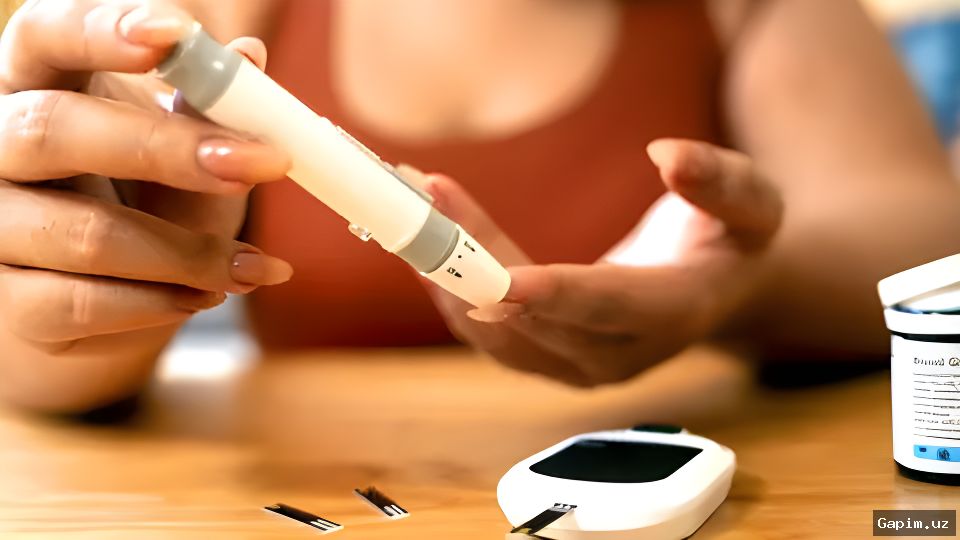
Historically, type 1 diabetes was considered a genetic autoimmune disease presenting in young people, while type 2 diabetes was seen as a condition of older adults in their 50s and 60s, linked to unhealthy lifestyle. However, this clear distinction no longer holds, as younger populations are increasingly affected.
In England, the biggest increase in new type 2 diabetes diagnoses is among young women. A team from Imperial College London analyzed data from the English National Diabetes Audit between 2011 and 2024, finding that while prevalence decreased in adults aged 60-79, it rose in those under 40.
The results, published in The Lancet Regional Health Europe, showed the sharpest increases among white, Asian, and Black women in their 20s, and white women in their 30s. Lead author Shivani Misra noted that while ethnic minority groups are disproportionately affected, the rise in white populations indicates a broadening public health challenge.
Germany faces a similar situation, according to Baptist Gallwitz, an endocrinologist and spokesperson for the German Diabetes Society (DDG). He described the trend as a pandemic, with increasing cases among children and teenagers. From 2014 to 2023, type 2 diabetes cases among youth aged 11-17 rose by 5.8% annually.
While genetics play a role, lifestyle is the primary driver. Gallwitz pointed to sedentary lifestyles and diets high in sugar and calories, leading to obesity and increased diabetes risk. The disease is particularly concerning in younger patients, as it can be more aggressive, increasing the risk of severe complications and premature death, warned Helen Kirrane from Diabetes UK.
Early intervention is crucial. The DDG supports a tax on sugary drinks in Germany but calls for more, including a tiered VAT system that exempts fresh produce and taxes products high in saturated fats and sugars. They also advocate for healthier school meals and mandatory daily physical activity.
Alexandra Kautzky-Willer, head of endocrinology at the Medical University of Vienna, emphasized the need for safe environments for women to exercise. She noted that fear of harassment or ridicule can deter women from physical activity, contributing to higher diabetes rates.
The number of women with type 2 diabetes may be even higher than reported. In 2025, Kautzky-Willer and a colleague published a report in Deutsches Ärzteblatt highlighting underdiagnosis in women. Men are typically diagnosed at younger ages, while women are more likely to be obese and hypertensive at diagnosis.
The issue lies in diagnostic methods: fasting blood sugar tests, commonly used, tend to be lower in women and miss post-meal spikes. More accurate tests, such as glucose tolerance or HbA1c, are not covered by insurance in Germany and Austria, limiting their use.
Experts agree that detecting pre-diabetic conditions is vital. At this stage, lifestyle and dietary changes can halt progression, preventing future health complications and reducing mortality risk.
Source: www.dw.com