Since the ceasefire between Iran, the United States and Israel was announced, Iranians have repeatedly been told that the war is over. Yet attacks, threats and diplomatic talks have continued simultaneously, with Iranian authorities speaking of negotiations and sanctions relief one day, only to warn of retaliation and threats to critical infrastructure the next.
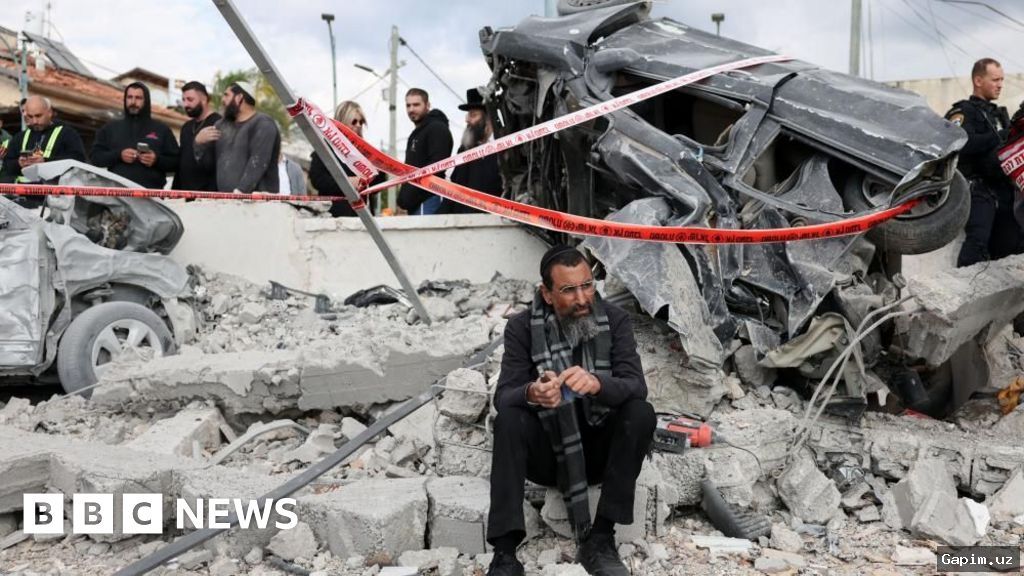
This constant oscillation between war and diplomacy has left many people inside Iran caught between hope and dread. For many, that uncertainty has become more psychologically damaging than the war itself. The problem is no longer just the fear of violence, but also the inability to imagine a stable future.
A Tehran-based lawyer, who asked not to be named, told DW that the hardest part of the current moment is not knowing when the crisis will end. “When you cannot plan how to endure hardship, it puts enormous pressure on you,” she said. She added that she no longer has the motivation to work or start anything new, and even speaking freely in society feels difficult.
A resident of Isfahan city told DW: “We are completely hopeless. This instability between peace and war has turned our mental state into a game, and we have no clear outlook for our future, or for our psychological and financial security.” The same person said trust in either side of the war, or in the possibility of a durable agreement, has largely collapsed.
A nurse in western Iran told DW that when a society enters this kind of situation, trust in the future weakens and people begin postponing long-term decisions. “People start living as if the only goal is just to get through today,” she said. For a generation without direct experience of prolonged war, the situation is more disorienting because they have no mental model for how to live through such a period.
Saeed Paivandi, a professor at the University of Lorraine in France, told DW that available data and field research point to two overlapping tendencies in Iran today: widespread despair about the future, and intense anger at the government’s inability to govern effectively. Citing a survey by Iran’s Interior Ministry in May 2026, he said about 60% of the population felt hopeless about the future.
Paivandi also noted that around one-third of Iranians now express a desire to emigrate, with that figure rising among younger and more educated groups. He argued that Iran’s current psychological crisis extends beyond ceasefires, diplomacy and military escalation. While the external conflict matters, it has landed on top of a society already worn down by high inflation, repression, mistrust and a long-running sense of blocked opportunity.
Source: www.dw.com