The murder of former British politician Ann Widdecombe has sent shockwaves through the country’s political circles, with the case now referred to counterterrorism police. Widdecombe, 78, was found dead at her home in southwest England last week with what police described as “serious injuries”.
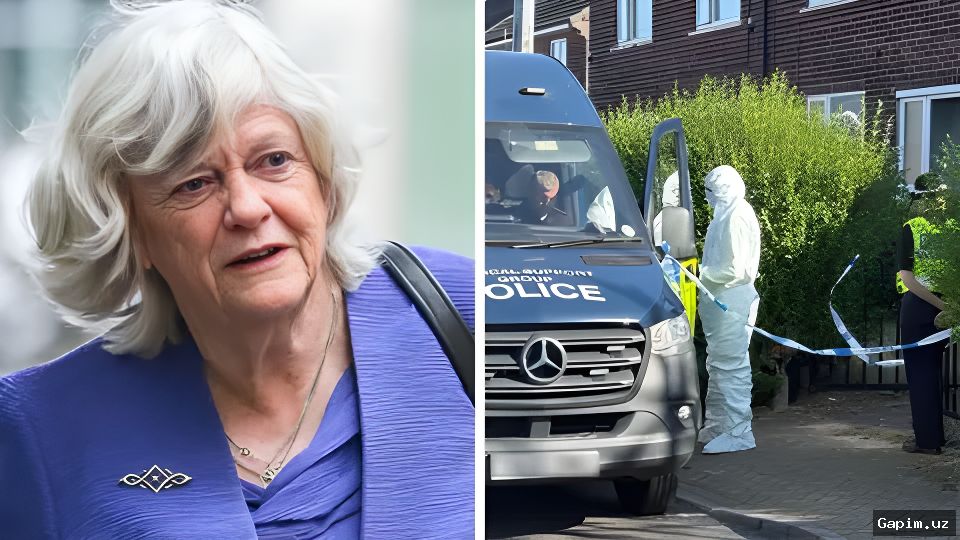
On Friday, Devon and Cornwall police arrested a 28-year-old white man on suspicion of murder. However, on Monday, the suspect was rearrested by counterterrorism police on suspicion of the commission, preparation or instigation of acts of “terrorism”.
Head of national counterterrorism policing, Laurence Taylor, said on Monday they were “pursuing multiple lines of inquiry to establish the motivation for this attack”. “Our priority is progressing this investigation quickly,” Taylor added.
Widdecombe served as Conservative MP for Maidstone from 1987 to 2010 and held government positions, including shadow home secretary in 1999. After leaving the Commons, she became a TV personality, appearing on Big Brother and Strictly Come Dancing.
In 2019, she joined the Brexit Party and served as an MEP from 2019 to 2020. In 2023, she joined the far-right Reform UK party as its immigration and justice spokesperson. She was known for her stance against abortion and equalizing the age of consent for gay relationships.
Police believe Widdecombe was attacked on Wednesday, nearly 24 hours before her body was found, based on text messages with a Channel 5 researcher. Security footage showed the suspect in Yorkshire with a long object protruding from his pocket. The suspect was linked to a property in Rotherham, over 200 miles from Widdecombe’s home.
Home Secretary Shabana Mahmood said “new information” had emerged but cautioned against speculation. She urged anyone with information to come forward. Concerns over politician security have grown after the murders of MPs Jo Cox in 2016 and David Amess in 2021.
Cox’s husband, Brandon Cox, called for improved security and a change in culture that legitimizes political violence, including algorithmic social media. Former Conservative leader Iain Duncan Smith urged stronger action against “visceral, violent language” on social media.
Source: www.aljazeera.com