Air defense systems were activated in Bahrain, Kuwait, Oman, Qatar, the United Arab Emirates, and Jordan this week after Iran launched another wave of attacks it said were aimed at US military installations.
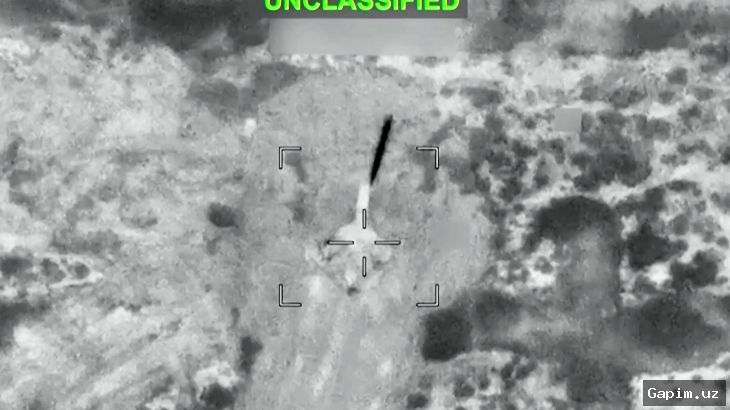
The strikes followed renewed US bombardment of Iran's southern coast, including the port cities of Bandar Abbas, Sirik, and Jask, and Qeshm Island.
The latest exchange comes less than a month after Washington and Tehran signed a memorandum of understanding intended to halt a war that began on February 28. Both sides have since accused each other of violating the agreement.
Iranian forces have attacked commercial vessels off the coast of Oman, with the US on July 8 saying it had hit Iranian military positions allegedly involved in threats to shipping in the Strait of Hormuz. Iran responded by firing missiles and drones at bases across the Gulf where US forces are deployed.
Experts say the US military presence makes regional states targets but also protects them from Iranian attacks. Gulf states are concerned whether their layered air defense networks can withstand sustained conflict.
Iran claims its attacks hit a fuel depot in Jordan, a helicopter maintenance facility in Bahrain, fuel tanks in Kuwait, and a Patriot air defense system. These claims have not been independently verified.
Qatar said three people, including a child, were injured by falling shrapnel during the interception of an Iranian missile on Sunday.
Gulf states have spent decades building layered air defense networks combining US, European, and in some cases Russian, Chinese, and Israeli systems. Saudi Arabia, the UAE, and Qatar possess the most advanced systems.
Analysts note that Iran uses cheap drones to force the expenditure of expensive interceptor missiles, potentially undermining defense capabilities over time.
Gulf states are seeking to maintain close ties with the US while developing domestic defense industries and expanding military cooperation with other countries. Defense agreements have been signed with Ukraine, South Korea, and several European nations.
At the same time, Gulf states are attempting to restore diplomatic relations with Iran. The UAE normalized ties in 2022, and Saudi Arabia in 2023 with Chinese mediation.
Restrictions on shipping in the Strait of Hormuz threaten Gulf states' oil and gas export revenues. The UAE, Bahrain, Kuwait, and Qatar are particularly vulnerable.
Analysts believe no country in the region can afford a prolonged war, so the situation is unlikely to spiral out of control. However, confidence in a diplomatic solution remains low.
Source: www.aljazeera.com