The Bayreuth Festival celebrates its 150th anniversary starting July 25, but the milestone has reignited criticism over how the event handles its anti-Semitic past. Jewish public intellectual Michel Friedman was initially disinvited from speaking at a memorial ceremony for Nazi victims, only to be reinstated after public backlash—a move the Süddeutsche Zeitung called a symptom of Germany's 'chronic desire to avoid confronting its own history.'
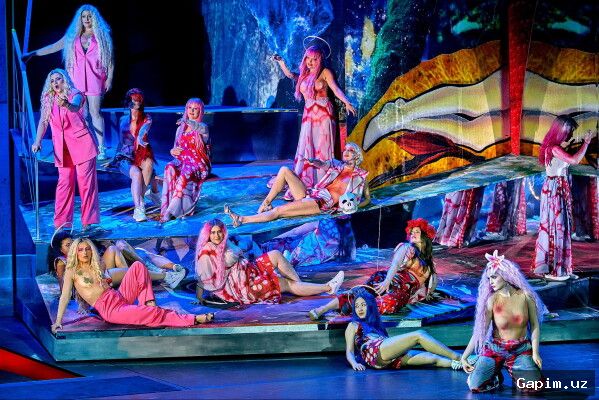
Anno Mungen, director of the Research Institute for Music Theater Studies at the University of Bayreuth, accused the festival's leadership of 'historical obliviousness,' particularly for staging Wagner's 'Rienzi'—Adolf Hitler's favorite opera—for the first time during the anniversary season.
Richard Wagner himself remains a controversial figure: a revolutionary composer but also a virulent anti-Semite who published 'Judaism in Music' in 1850, arguing Jews lacked authentic artistic identity. Hitler was captivated by Wagner's music, using it for propaganda and psychological torture in concentration camps. 'Die Meistersinger von Nürnberg' was traditionally performed on the eve of the Nazi Party rally.
After World War II, the festival underwent denazification, with Wieland Wagner introducing minimalist 'New Bayreuth' productions to distance the event from its past. Current artistic director Katharina Wagner has pushed for modernization: in 2022, a Netflix-style 'Ring' cycle; in 2023, an augmented reality 'Parsifal'; and this year, an AI-assisted 'Ring' design.
The new 'Rienzi' production by Hungarian directors Alexandra Szemeredy and Magdolna Parditka will reinterpret the opera as a courtroom drama, drawing parallels to today's populist societies. A concert of Jewish composers' music and Friedman's lecture will precede the performance.
Source: www.dw.com