German Chancellor Friedrich Merz and French President Emmanuel Macron held a series of meetings this week to showcase their close partnership, but experts say deep differences persist and the potential election of far-right leader Marine Le Pen casts a shadow over bilateral ties.
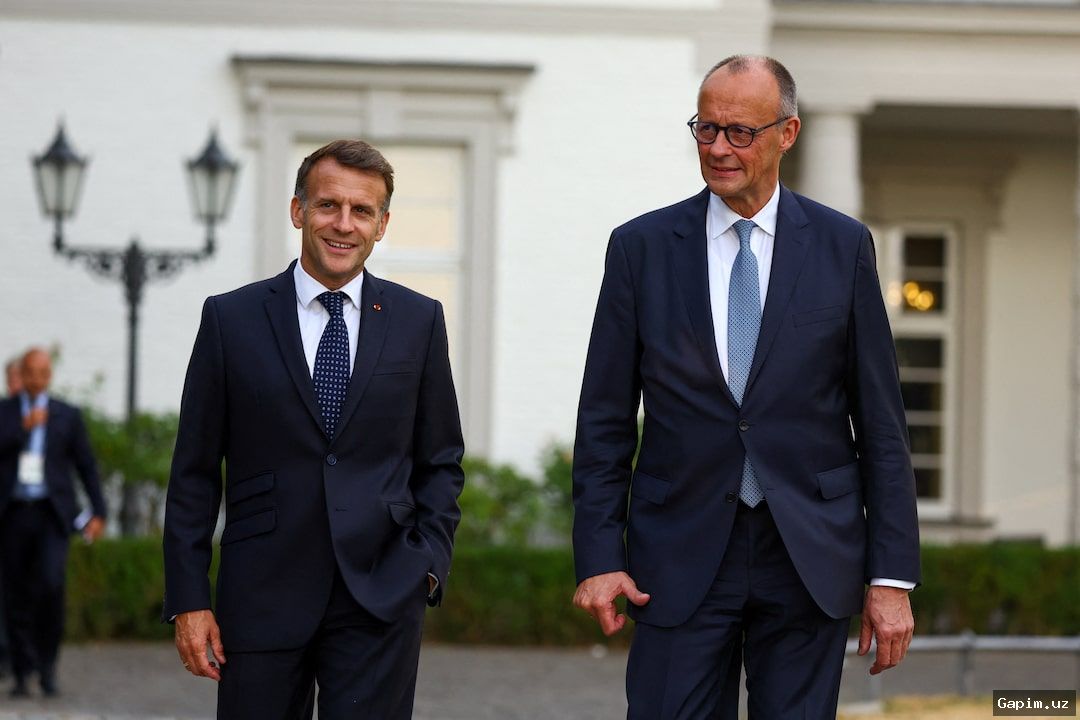
The symbolic highlight was Friday's meeting at Augustusburg Palace in Brühl, where Charles de Gaulle and Konrad Adenauer laid the foundation for Franco-German cooperation in 1962. Merz also attended France's Bastille Day parade on July 14, the first German chancellor to do so since Angela Merkel in 2019.
German government spokesperson Steffen Meyer dismissed speculation of a rift, stating: "There is absolutely no question of a cooling of relations; on the contrary, the relationship is very good." However, Stefan Seidendorf, deputy director of the German-French Institute, noted that significant differences have emerged since Merz took office, particularly in energy policy — Germany's nuclear phase-out versus France's pro-nuclear stance — and European fiscal policy.
Cooperation is advancing in nuclear deterrence, with Germany increasingly viewing US nuclear protection as unreliable. For the first time, German troops are expected to participate in a French nuclear exercise this fall.
This year's Bastille Day parade, the largest since Macron took office in 2017, was held under the theme "Europe's strategic awakening." Macron allegedly aimed to send a signal of continued support for Ukraine and greater European self-confidence in the face of the US under Donald Trump.
Germany has agreed to join the first military exercises of the "coalition of the willing," a group of about 35 countries supporting Ukraine in the event of a ceasefire with Russia. The exercises are planned in Poland.
Recent weeks have brought negative news: the joint FCAS fighter jet project has been officially scrapped, and the MGCS tank project is in jeopardy. German company Rheinmetall has questioned the project.
In early July, right-wing populist Marine Le Pen announced her candidacy for the 2027 presidential election, in which Macron is term-limited. Polls suggest she has a chance of winning, which would be a nightmare for the German government, as she is seen as a nationalist opposed to European integration.
Jacob Ross, France expert at the German Council on Foreign Relations, said a Le Pen victory would mean an immediate loss of trust and a breakdown in cooperation. However, he does not rule out pragmatism prevailing, with the National Rally moderating its demands once in office.
Seidendorf noted that Franco-German relations extend beyond politics to business, civil society, city partnerships, and student exchanges. Berlin is already preparing for the worst-case scenario.
Source: www.dw.com