Voters in Sao Tome and Principe head to the polls Sunday to elect a new president, ahead of parliamentary elections at the end of September. For the island nation of just 245,000 people, the elections are a major domestic political event, but they are also drawing growing international scrutiny.
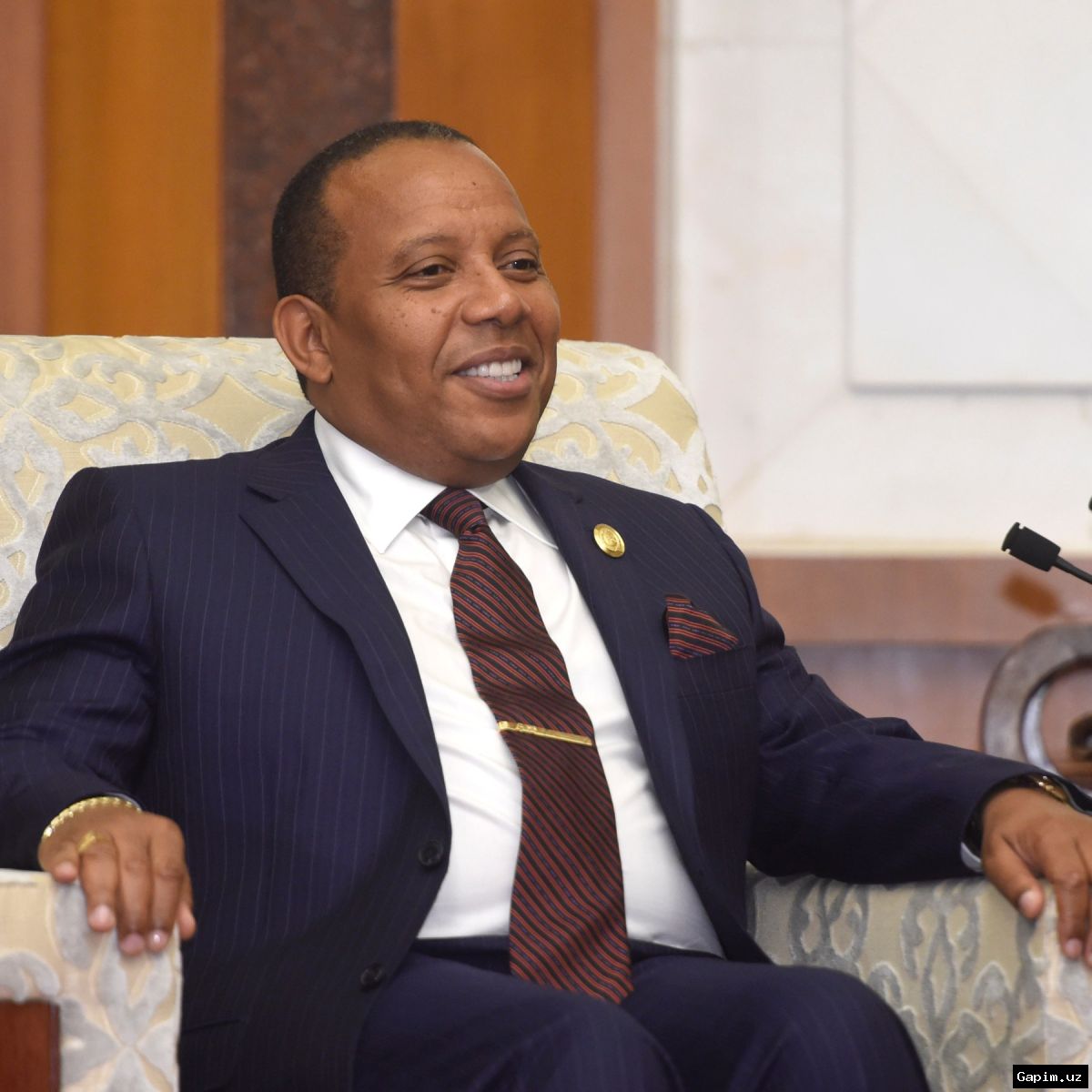
Since signing a military cooperation agreement with Russia in April 2024, the archipelago in the Gulf of Guinea has attracted renewed geopolitical interest. The key question is whether Russia seeks to expand its influence in the South Atlantic through the archipelago, or whether the deal is largely symbolic, reflecting the country's long-standing policy of maintaining ties with a wide range of partners.
Former Foreign Minister Elsa Pinto told DW: "Sao Tome and Principe is a small country, but because of its geographical location in the Gulf of Guinea, it has enormous strategic importance. Major commercial and military routes pass through our waters."
The open-ended military deal covers training, technical assistance, arms cooperation, intelligence sharing, and reciprocal visits by naval vessels and military aircraft. The agreement was closely watched in Europe and the United States, which have long been key security partners for the archipelago.
Political analyst Arzemiro dos Prazeres, a former parliament speaker, believes the significance of the deal is often overstated: "The agreement between Russia and Sao Tome and Principe has remained largely ineffective. It was signed, but it has never been implemented."
Four candidates are running in the presidential election, but observers consider incumbent Carlos Vila Nova the clear frontrunner after former Prime Minister Jorge Bom Jesus withdrew, citing an "avalanche of criminal falsehoods" and a climate of "division and political tension."
The European Union is again deploying an election observation mission. Chief observer Sergio Humberto said the mission aims to help ensure a transparent and peaceful electoral process.
For Sao Tome and Principe, the priority is to secure investment, development aid and security cooperation from as many partners as possible. Russia sees the archipelago as an opportunity to expand its presence in the Atlantic, while Europe and the US view it as a relatively stable democratic partner in a strategically important region.
Source: www.dw.com