A ban on the disposal of unsold clothes, accessories and footwear took effect across the European Union on Sunday, as part of the bloc's latest effort to reduce waste. The new rules target large companies with over 250 employees and an annual turnover exceeding €50 million.
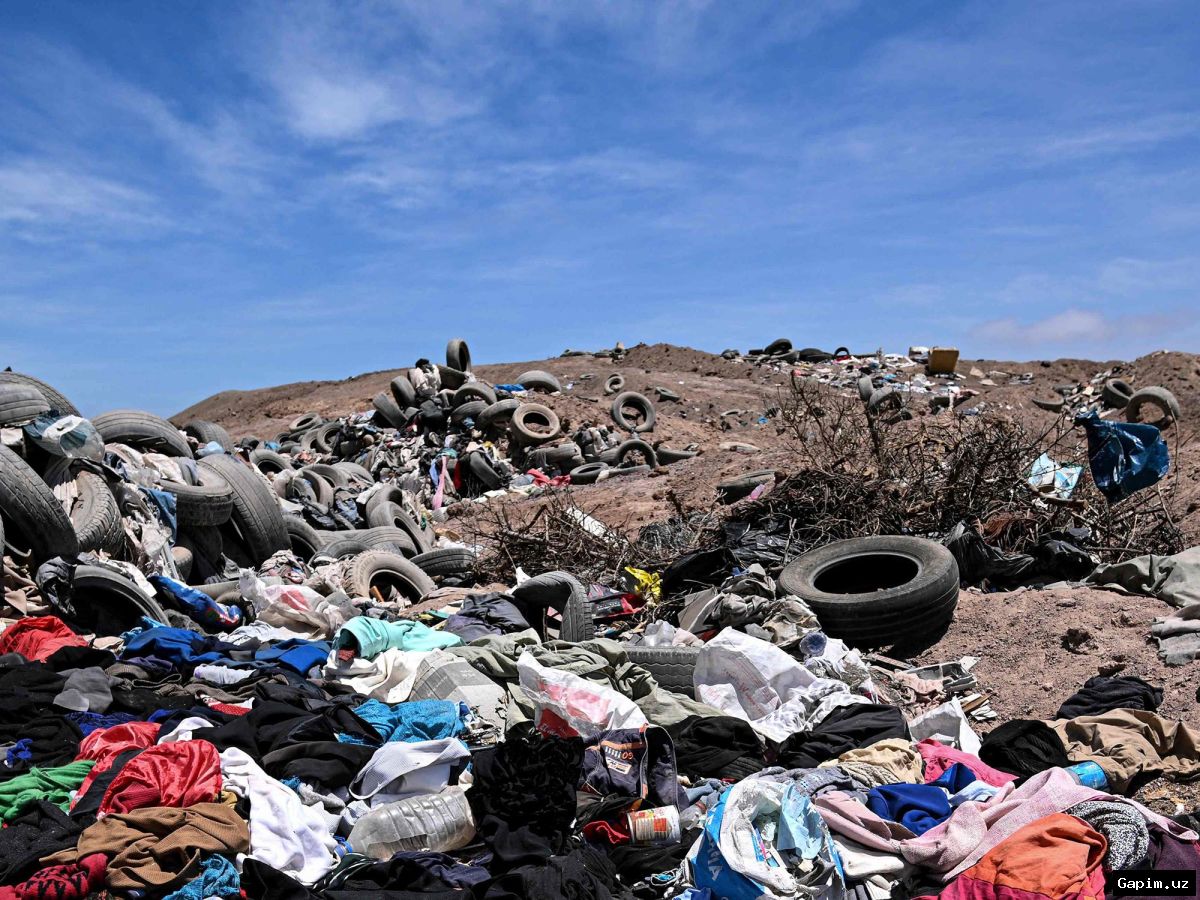
Hundreds of thousands of tons of fashion items are destroyed annually across the 27-member EU due to damage, old stock, and returned online orders. The regulation, adopted under the Ecodesign for Sustainable Products Regulation, requires firms to find alternative ways to sell unsold goods, such as discounts, alternative markets, or charity donations.
Destruction is only permitted for items that are unsafe, damaged, counterfeit, or rejected by charities. Companies must now publish annual reports on discarded goods and maintain records for five years. The rules will extend to medium-sized firms in 2030.
According to the European Environment Agency (EEA), between 4% and 9% of unsold textile products are destroyed each year. The problem has been exacerbated by the rapid growth of online shopping and returns, with one in five fashion goods ordered online being returned and not resold.
The ban aims to reduce environmental impact, as incineration of millions of clothes undermines efforts to cut greenhouse gas emissions. EU states are also urged to consider waste from raw materials, water, energy, and transport in the apparel sector and promote recycling and reuse.
The German Retail Federation (HDE) said consumers would benefit from more discounted apparel. However, HDE Managing Director Stefan Genth warned that not all unsold goods can be easily resold or donated due to damaged packaging, high logistics costs, lack of demand, or low product values.
Source: www.dw.com