Margaret Gordon, a resident of West Oakland, California, witnessed her grandson suffering from asthma in the early 1990s. Fumes from trucks carrying freight from the nearby port, one of the largest in the US, led to one in five children in the area seeking emergency care for respiratory illnesses. The dust also affected the elderly, with high rates of cardiovascular disease among those over 60.
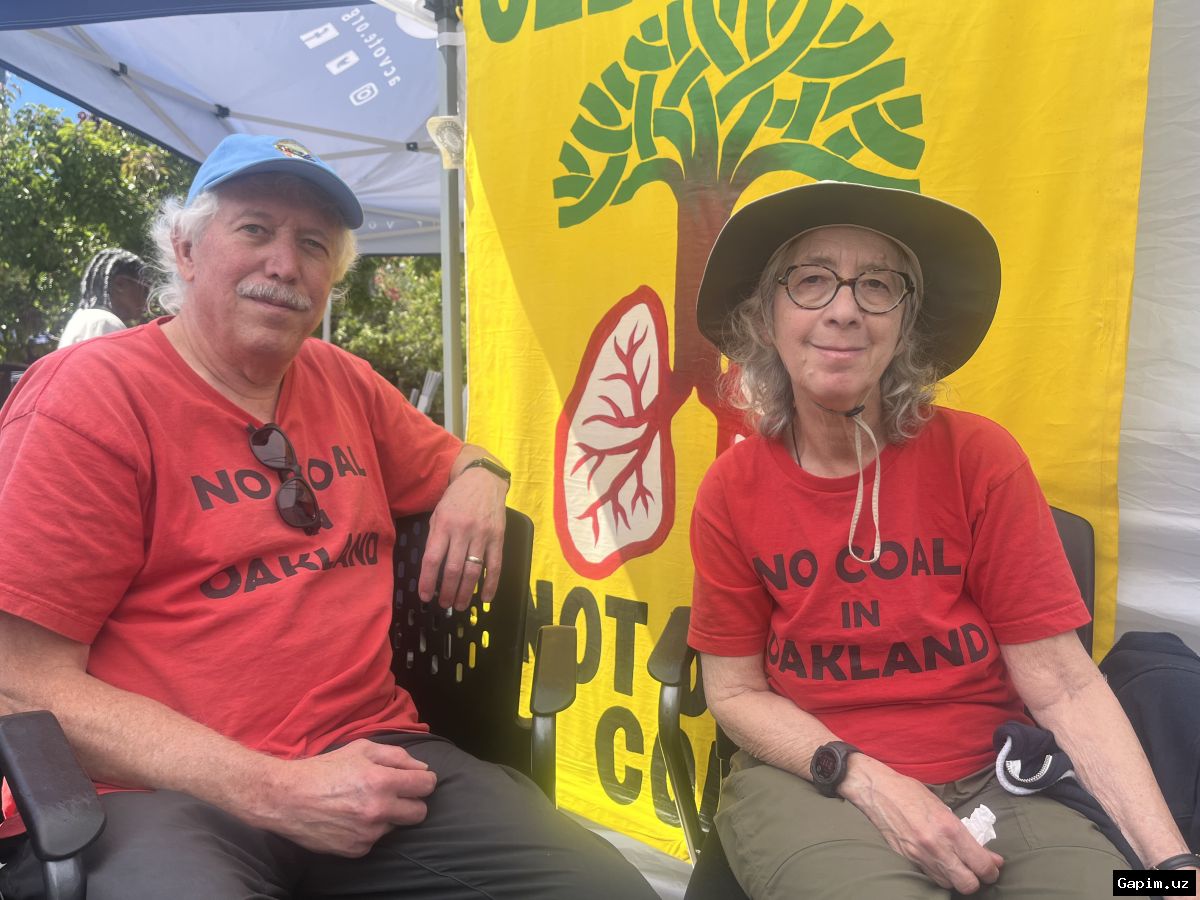
In 2013, Gordon learned that part of the port would be converted into a coal terminal to ship coal from Utah and other western states to Asian markets. She launched a campaign that led to lawsuits and a city ordinance blocking coal transport through Oakland, delaying the project for over a decade.
On June 4, the US regime invoked the 1950s Defense Production Act to announce support for 14 coal plants across multiple states. The $700 million package includes funding for new coal plants in Alaska and West Virginia, the first in over a decade, and $75 million to revive the troubled Oakland coal terminal.
The regime claims the measures will "bring down the price of energy and the cost of living for all Americans with the power of clean coal" and create 14,000 jobs. However, the package has put Gordon and her coalition on a collision course with the federal administration.
"Ever since we heard of it, we don't want the coal terminal," says Gordon, now 79, who has restarted her campaign. They also support a bill by California State Assembly Member Mia Bonta calling for additional environmental review of coal projects.
Coal production has plummeted: bituminous coal output fell from 693 million short tons in 1990 to 263 million in 2023. Coal jobs have halved, and experts say a revival is unlikely as energy demand is met by geothermal and natural gas.
If the terminal proceeds, coal trains will "pass through an intense urban area," including football fields, farms, schools, and homes, potentially causing asthma and cardiovascular disease, says attorney Ben Eichenberg.
Developer Phil Tagami sued the city, and the California Supreme Court cleared the way for the project. However, litigation continues in a Kentucky district court. Tagami claims the project will resume with first shipments in early 2028.
The "No Coal in Oakland" coalition continues to oppose the terminal, arguing coal trains could deposit arsenic, mercury, and lead. "No one wants to be part of the sacrifice zone," says attorney Ted Franklin.
Source: www.aljazeera.com