For a healthy young woman in South Africa, the greatest risk of HIV may come from a partner she wants to trust but cannot. She may not know his HIV status, cannot always insist on condom use, and may have little control over whether he has other partners.
Daily PrEP pills keep antiretroviral drug levels high enough to stop HIV infection, but only if taken consistently. Missing doses can reduce protection. Adherence is a major challenge, especially for healthy individuals who must take a pill daily.
Salim Abdool Karim, director of CAPRISA, said: "You're asking healthy people to take a tablet every day — that's a high bar. Studies show that by month three, about half of PrEP users have stopped. By the end of the year, only a handful remain."
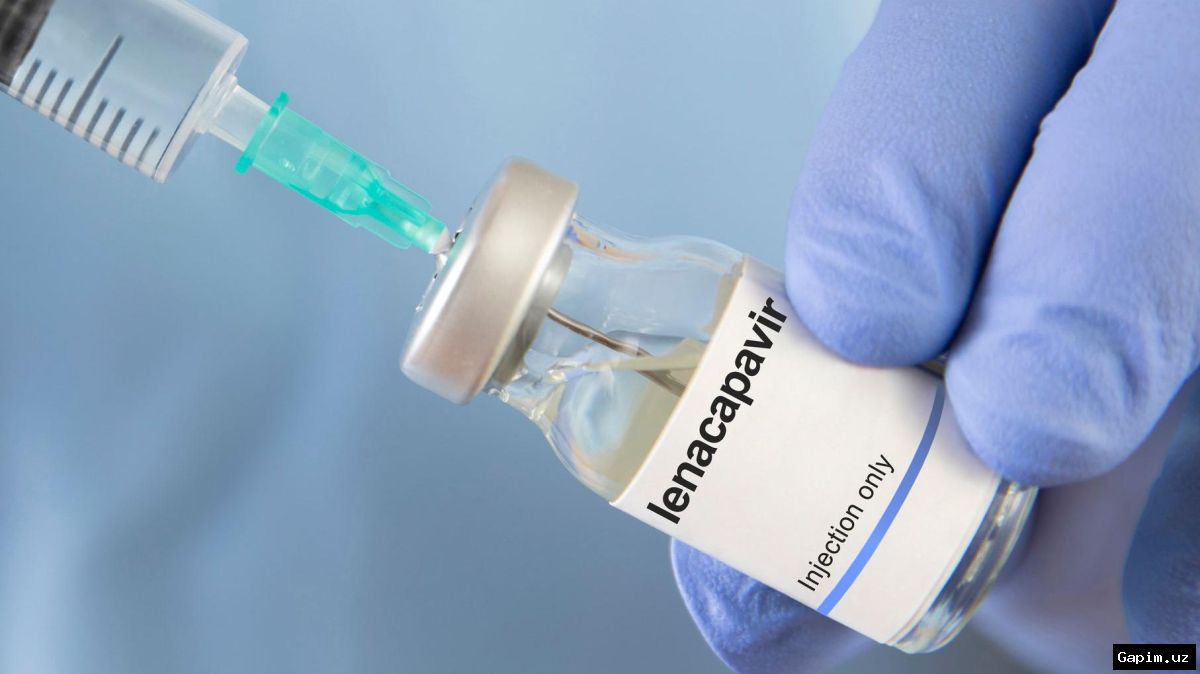
Lenacapavir, an injection every six months, sharply reduces this burden. It is the most potent HIV prevention drug known, targeting the viral capsid. However, it remains expensive in some regions and access is limited.
In July 2025, Gilead agreed with the Global Fund to supply lenacapavir at no profit to up to 2 million people over three years. In October 2024, it allowed generic production in 120 resource-limited countries.
But some Latin American countries, including Brazil, Mexico, Peru, and Argentina, are excluded from recent rollouts despite participating in clinical trials. Melissa Scharwey of Doctors Without Borders called on Gilead to increase supply and sell at an affordable price of around $40 per shot.
Monisha Sharma, epidemiologist at the University of Washington, said modeling in South Africa, Zimbabwe, and western Kenya shows that providing lenacapavir to 2–4% of adults, targeting high-risk groups, could avert 12–18% of new infections over ten years.
Abdool Karim expressed concern: "Those at highest risk need to come forward. Often they don't see themselves at risk. If we can't reach them, we won't make a dent in the epidemic."
Source: www.dw.com