The administration of US President Donald Trump has imposed new import tariffs of 10-12.5%, covering goods from more than 80 countries that account for 99.4% of US imports. The measures took effect on Friday, July 24, replacing a temporary 10% tariff.
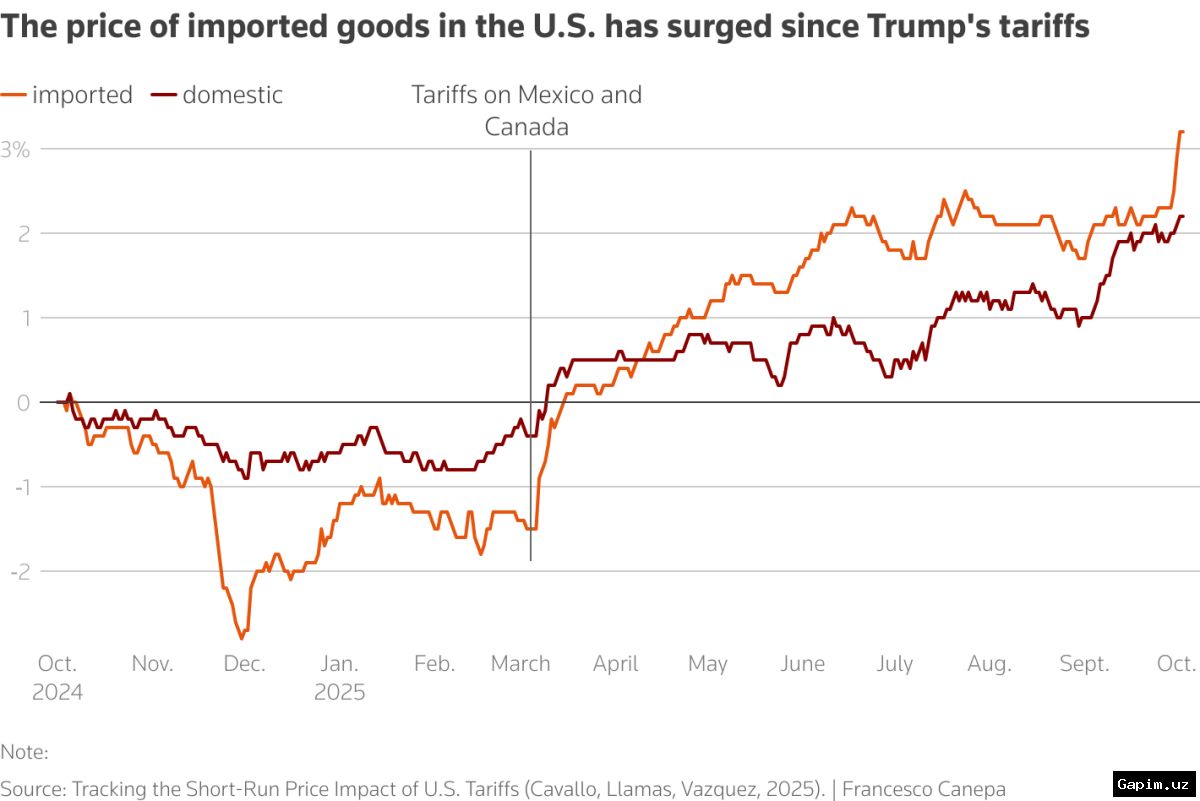
According to the administration, the decision was made due to insufficient efforts by foreign countries to combat the production and export of goods made using forced labor.
A base rate of 10% applies to countries that have confirmed compliance with the requirements, including EU states, the UK, Canada, Mexico, and India. For the remaining 38 countries, including China, Japan, Australia, and Brazil, a 12.5% tariff has been set.
The new tariffs exempt oil, gas, fertilizers, certain food products, critical minerals, aircraft equipment, and goods covered by the USMCA free trade agreement. They also do not apply to goods already subject to sectoral tariffs on metals and automobiles.
The decision has drawn negative reactions from several countries. Brazil, Japan, Norway, and Australia called the new tariffs unjustified. Brazil stated it is ready to take retaliatory measures, while China's Foreign Ministry rejected allegations of worker rights violations.
Industry lawyers believe the new tariffs could become the subject of litigation, as the administration may be accused of exceeding its authority.
According to the Federal Reserve Bank of New York, up to 90% of the costs associated with such tariffs are ultimately passed on to US consumers and businesses. Additionally, the USTR continues investigations into 16 countries regarding excess production capacity.
Recall that from August 19, the US will also impose additional 50% tariffs on certain Canadian goods, including alcoholic beverages, timber, paper, and hockey equipment.
Source: podrobno.uz