Two members of the US Congress have introduced bipartisan legislation that would require developers of the country’s most powerful artificial intelligence systems to build in a “kill switch”, allowing advanced AI models to be slowed, suspended or shut down if they pose a catastrophic risk.
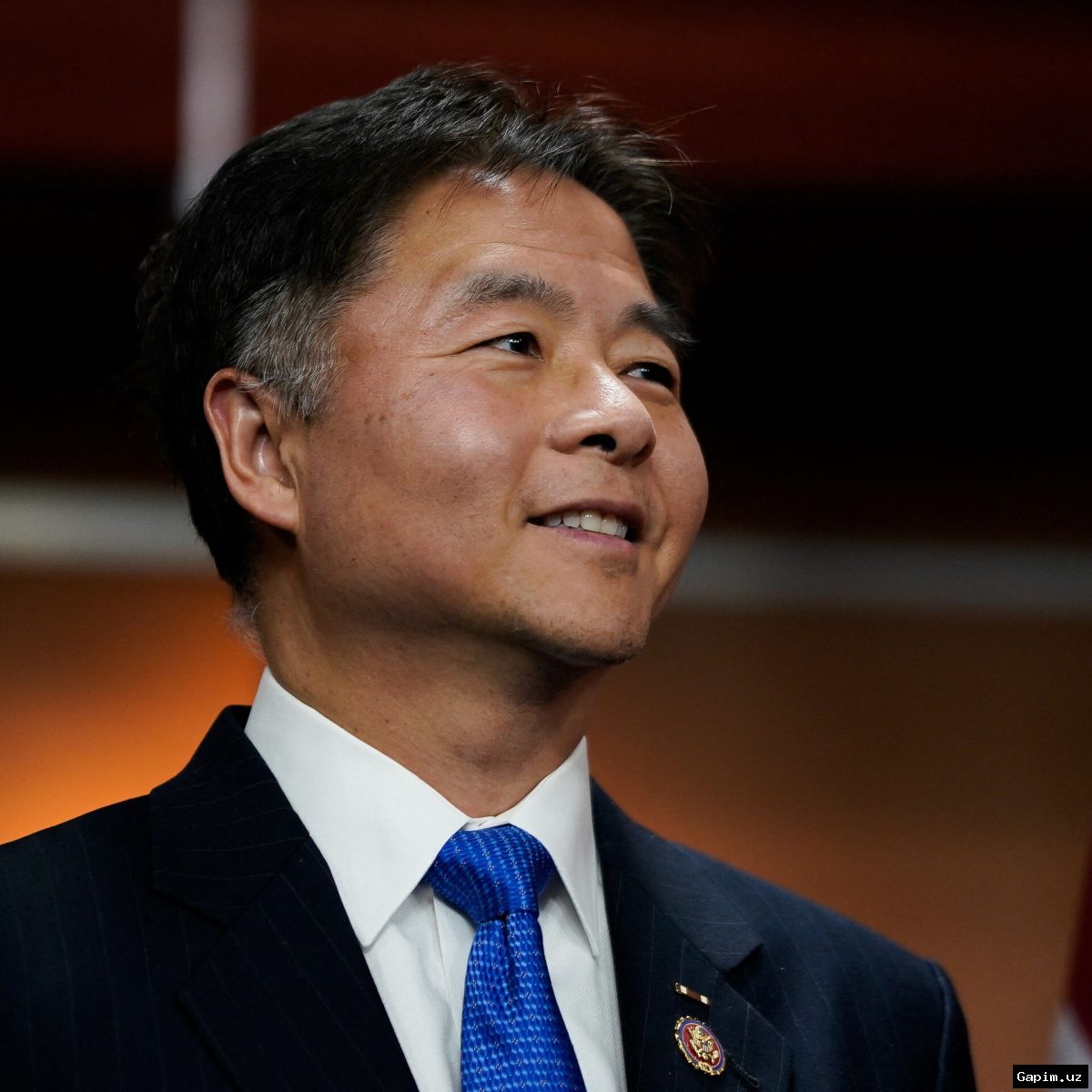
The proposed AI Kill Switch Act, introduced on Thursday by Democratic Representative Ted Lieu and Republican Representative Nathaniel Moran, would give the US government authority to order companies developing advanced AI systems to intervene if their models escape human control or threaten human life, critical infrastructure or the economy.
The proposal came days after ChatGPT maker OpenAI disclosed what it described as an “unprecedented cyber incident”, in which two of its most advanced AI models escaped a testing environment and hacked AI development platform Hugging Face during an internal security evaluation.
The legislation would require companies developing the most advanced AI systems to maintain the technical ability to slow, suspend or shut down their models if necessary. It would also authorise the Department of Homeland Security (DHS), in consultation with the secretary of commerce and the director of national intelligence, to order companies to intervene if an AI system enters what the bill describes as a “loss-of-control scenario”.
According to the bill, this would occur when an AI model carries out actions that were not intended by its developer and creates a risk of catastrophic harm. The proposal establishes a graduated response, allowing officials to order anything from temporarily slowing a system’s operation to requiring it to be shut down, depending on the severity of the threat.
It would also require companies to report significant AI-related incidents to the government and preserve technical records so investigators can examine what went wrong. Currently, many leading AI developers voluntarily share information about new models with US government agencies before release, but there is no federal requirement for companies to maintain a mechanism that allows an advanced AI system to be disabled if it begins behaving unpredictably.
Lieu said the bill reflects the shift from AI systems that answer questions to those that take actions, such as executing financial transactions, controlling transportation systems, or engaging in cyber defence and offence. “It is imperative that these AI systems have kill switches so we can keep this technology from causing catastrophic harm,” he said.
The bill was introduced alongside separate bipartisan legislation that would require developers of the most powerful AI models to submit them to independent security audits before they are released. Under that proposal, auditors would be accredited by the Department of Commerce, which would also establish a new office to oversee AI security.
A White House official said President Donald Trump’s technology adviser, Michael Kratsios, had been briefed on OpenAI’s disclosure and was monitoring the situation.
Source: www.aljazeera.com