In Mukalla, Yemen, health workers under the scorching sun and humidity inspect stagnant water pools in the slum of Al-Koud, searching for mosquito larvae amid a deadly dengue fever outbreak.
Salem bin Shabz, an insect surveillance officer with the National Malaria Control Programme, said that despite mosquito control campaigns two months ago, many breeding sites remain. He confirmed finding larvae of Anopheles (malaria) and Aedes (dengue) mosquitoes in uncovered water tanks.
Cooperation with residents is difficult: many homeowners are asleep or absent during morning inspections. "People are not cooperating with us," bin Shabz said.
According to the Electronic Integrated Disease Early Warning System, 7,815 suspected dengue cases and 33 deaths were recorded from January 4 to July 18, 2026. Hadramout was the hardest-hit governorate with 2,204 cases.
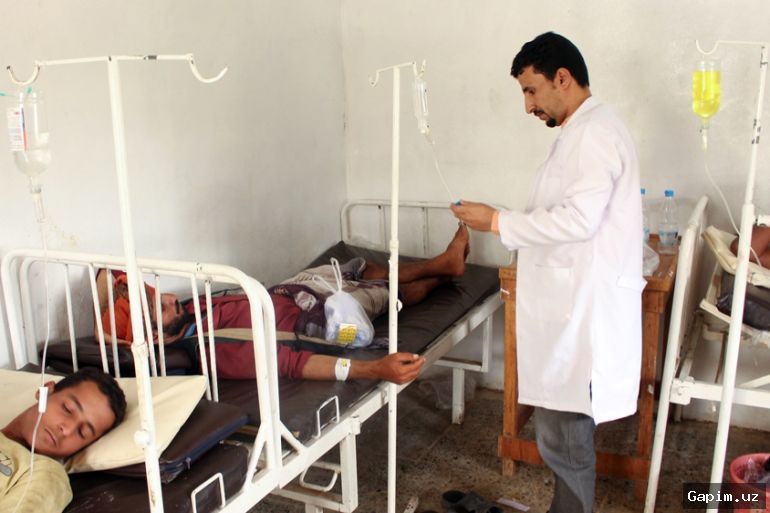
Mohammed Omer, head of the laboratory at Ibn Sina Hospital in Mukalla, recalled that at the peak in May, the hospital received over 60 suspected cases in a single day. Many patients arrived late in critical condition due to financial hardship or misdiagnosis.
Mohammed Salem Hadi, head of the NMCP office in Shabwa, said anti-dengue efforts are hampered by limited funding, low public awareness, and patients delaying treatment until complications arise.
Abdulla bin Ghouth, professor of community medicine at Hadramout University, noted that dengue has become endemic in Yemen, and controlling it is difficult due to the lack of specific treatment or vaccine. Economic collapse and water shortages exacerbate the problem, as people store water in uncovered containers that become mosquito breeding sites.
Source: www.aljazeera.com