Uganda has begun distributing emergency food aid after at least 19 deaths from hunger were reported in the eastern Karamoja region, which is experiencing a prolonged drought. The crisis has left 1.5 million people facing acute food shortages and rising malnutrition.
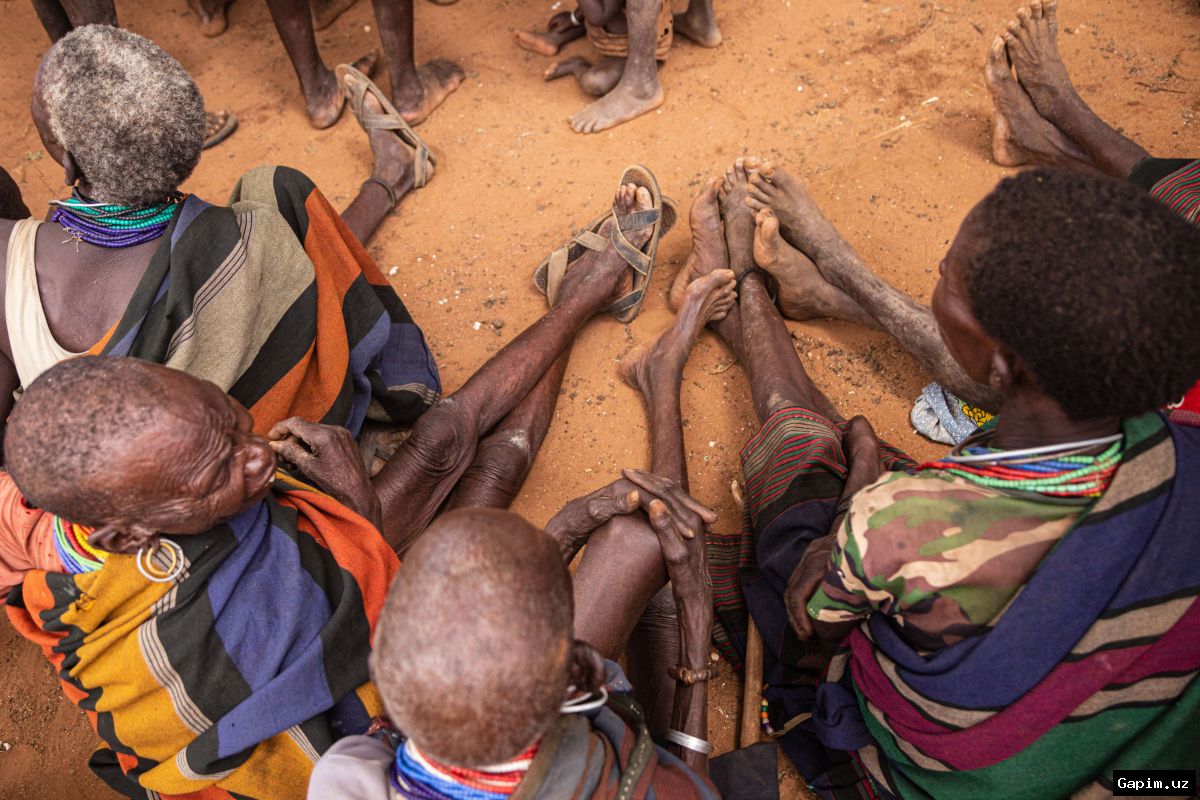
The Famine Early Warning Systems Network (Fews Net) reported that the situation has deteriorated to a crisis level across Karamoja. In the first large-scale government-led operation since funding cuts, authorities plan to distribute 9,400 tonnes of relief food over two months, using a 45 billion shilling (£9 million) emergency allocation approved by parliament.
Disaster preparedness minister Sam Engola launched the distribution at a primary school in Lodiko, Kaabong district, on Wednesday. "The president does not want to hear of anyone in Karamoja dying of hunger," he said, vowing that no one would be left behind.
Angelina Nakiru, a 21-year-old mother of two in Rupa, said she struggles to feed her children after her crops failed. She works at a small-scale grinding mill crushing rocks for gold ore, earning meager pay. "If I don't get the income, we go to bed on empty stomachs," she said.
Health facilities report treating hundreds of children for severe malnutrition. A June nutrition report found nearly half the population in Kaabong and Kotido districts in a crisis situation. Experts attribute the recurring food insecurity to climate shocks, deforestation, overgrazing, poverty, and low agricultural productivity.
In 2022, a hunger crisis claimed over 2,200 lives in the region. The government says it remains committed to long-term measures, including the Karamoja regional development plan. Minister John Baptist Lokii promised drought-resistant seeds for the next planting season.
Agnes Kirabo, executive director of Uganda's Food Rights Alliance, said the government's leadership is a positive shift toward nationally owned development, but stressed the need for structural reforms. "Karamoja possesses adequate rainfall to achieve food self-sufficiency, but requires political will to invest in water infrastructure," she said, calling the crisis a "governance crisis."
Source: www.theguardian.com