German farmers are increasingly grappling with extreme weather events—heatwaves, drought, heavy rain, and late frosts—that are taking a heavy toll on crops. In response, they are turning to adapted varieties, new crops, modern breeding techniques, and modified farming methods.
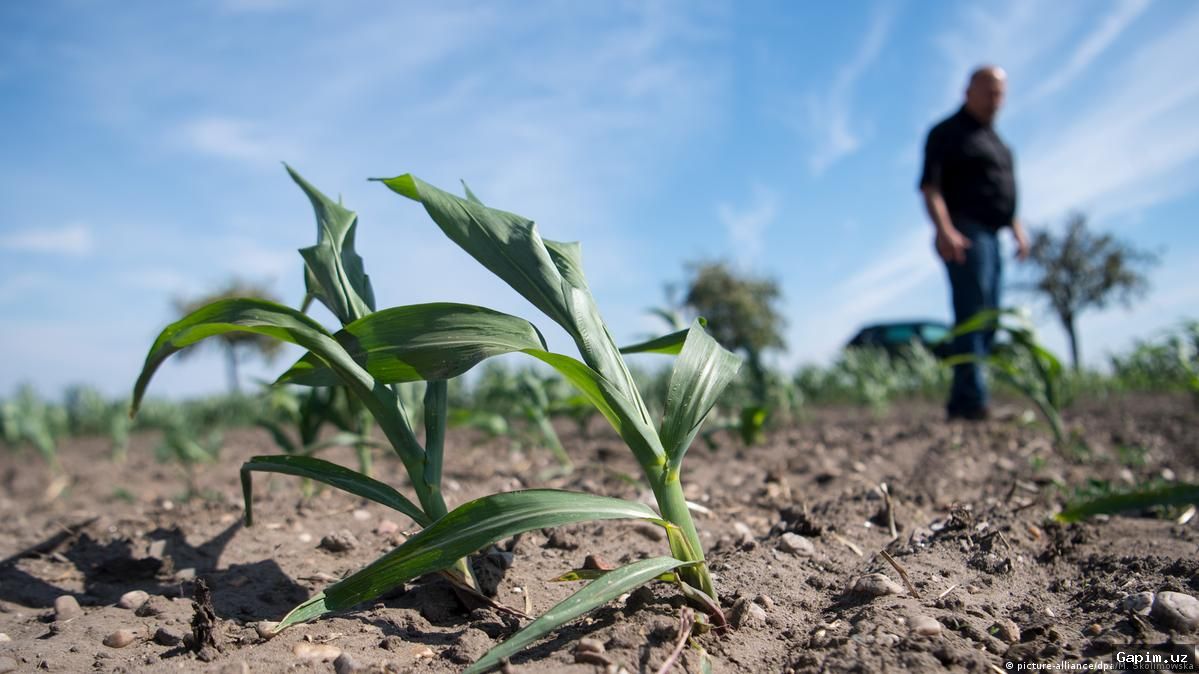
The heatwave in late June, with temperatures exceeding 40°C, hit crops at a vulnerable stage. Horst Gömann of the North Rhine-Westphalia Chamber of Agriculture told DW that corn was particularly affected, as the heat coincided with flowering, causing many plants to fail to form cobs—effectively a total crop failure.
According to Coceral, the European grain trade association, the heatwave reduced Europe's grain harvest by nearly 9 million metric tons (3%), with France and Hungary suffering the greatest losses. Corn accounts for half of the downward revision. The Energy and Climate Intelligence Unit (ECIU) expects a 5% decline.
Farmers are diversifying risk by growing multiple grain varieties with different maturation rates. Barley matures earlier than wheat and often completes grain formation before the summer drought sets in. This year's barley harvest is expected to be slightly below average, while wheat losses could reach 10%.
Late frost is a major concern for fruit growers. Mild winters cause flower buds to form earlier, but frosty nights in spring can destroy them. Farmers use frost-protection sprinklers that spray water over blossoms, forming an ice layer that traps heat. Hail protection nets also provide shade against sunburn.
Experimental semi-transparent photovoltaic films are being tested in fruit and wine growing. They generate electricity while protecting plants from excessive sunlight.
Irrigation is economically viable for high-value crops like vegetables, potatoes, and fruit, but not for grains or corn due to high costs. Germany has sufficient water overall, but distribution is uneven: heavy rainfall in winter, dry spells in summer.
Plant breeding is central. Wheat varieties from France, adapted to warmer conditions, are already being used in North Rhine-Westphalia. Semi-dwarf varieties with shorter stalks can bear heavier ears and are less prone to lodging. Research is underway on wheat with deeper roots that respond dynamically to drought.
New crops like soybeans and millet are being tested on a small scale. Winegrowing is slowly expanding northward, a visible sign of shifting vegetation zones. Gömann emphasizes soil health: avoiding compaction allows roots to penetrate deeper.
Climate change is accelerating—what once took generations now occurs within decades. Modern agriculture has better tools for rapid adaptation. Gömann sees the severe droughts of 2018 and 2019 and recent heatwaves as part of a trend linked to climate change, requiring farmers to adapt faster than ever before.
Source: www.dw.com