Saudi Arabia's King Salman and Crown Prince Mohammed bin Salman maintain an unchanged strategic position demanding the establishment of a sovereign Palestinian state as a prerequisite for recognizing Israel. This doctrine, originating under King Faisal more than half a century ago, remains a central pillar of Saudi national security policy.
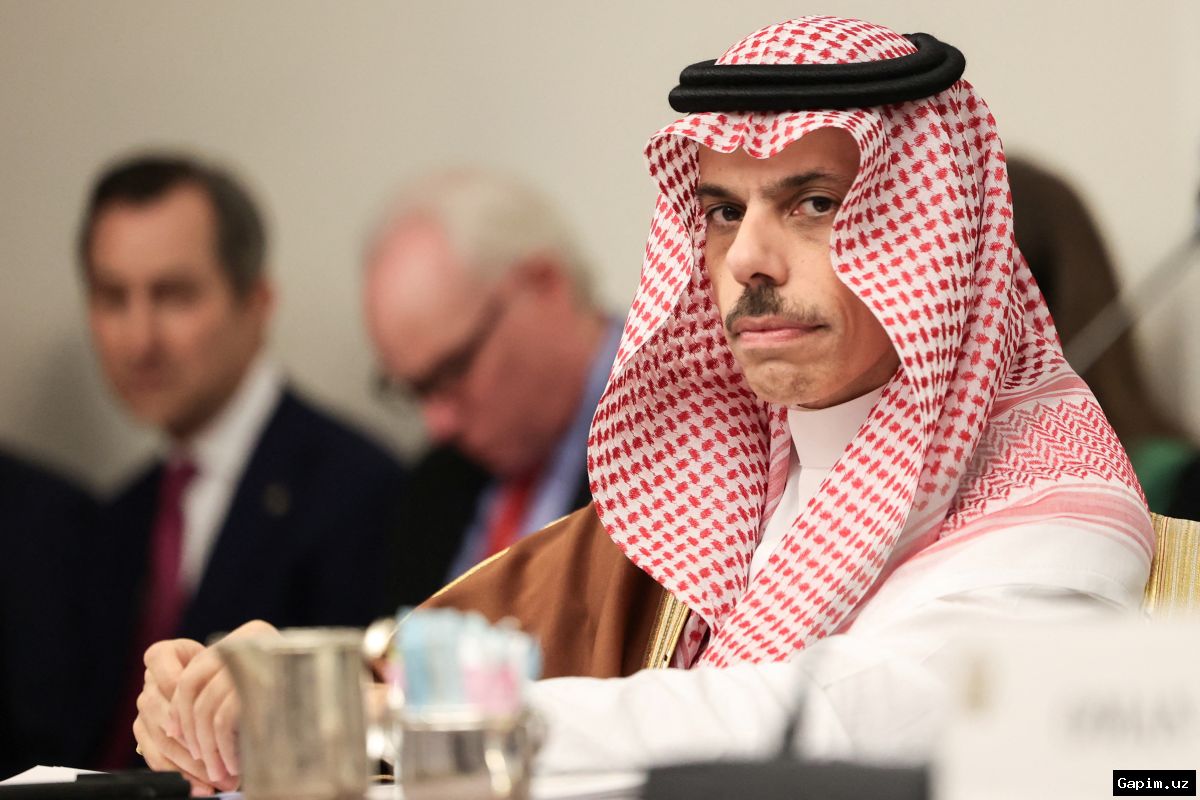
In 2024, Saudi Arabia co-sponsored the creation of the Global Alliance for the Implementation of the Two-State Solution, currently meeting in Rome. The alliance aims to achieve a comprehensive peace settlement between Israel and the Palestinians.
The Saudi doctrine, dating back to King Faisal, views recognition of Israel and Palestinian statehood as parallel processes. The Fahd Plan of 1981 and the Arab Peace Initiative of 2002 were based on this principle.
The Abraham Accords of 2020 demonstrated that normalization could advance without progress on Palestinian statehood, but Saudi Arabia remains the decisive missing element for full strategic significance. The US administration has placed Saudi-Israeli normalization at the center of its regional diplomacy.
The war in Gaza has created a new diplomatic environment. For Saudi Arabia, the essential requirement remains unchanged: the actual and irreversible establishment of a Palestinian state. This position rests on political, religious, and economic foundations, including the monarch's role as Custodian of the Two Holy Mosques.
Saudi Arabia, as the largest Arab economy, G20 member, and leading oil exporter, wields significant influence. A Saudi-backed Palestinian state could transform the positions of countries like Lebanon, Syria, Iraq, and Muslim-majority states including Pakistan, Indonesia, and Malaysia.
The final decision rests with King Salman and Crown Prince Mohammed bin Salman. Within their strategic framework, Palestinian statehood and recognition of Israel are complementary obligations that cannot be separated.
Source: www.aljazeera.com