Saudi Arabia is facing a difficult dilemma. Ever since the US and Israel launched their war on Iran on 28 February, the Saudis have largely tried to stay out of it.
But now, after being attacked from three sides, the Saudis have had enough. This week, they carried out joint strikes with the US on Iranian proxy militias in Iraq who they believe have been launching drones at the Kingdom.
For Saudi Arabia the dilemma now is whether to keep on hitting back as a deterrent, or whether to try to de-escalate the situation, perhaps by paying off some of their adversaries.
The conflict involves two broad sides: on one side, Iran and its Islamic Revolutionary Guards Corps (IRGC), allied with Yemen's Houthis, Iraq's Popular Mobilisation Forces, and Lebanon's Hezbollah; on the other, the US Central Command (Centcom), Gulf Arab states, and Jordan.
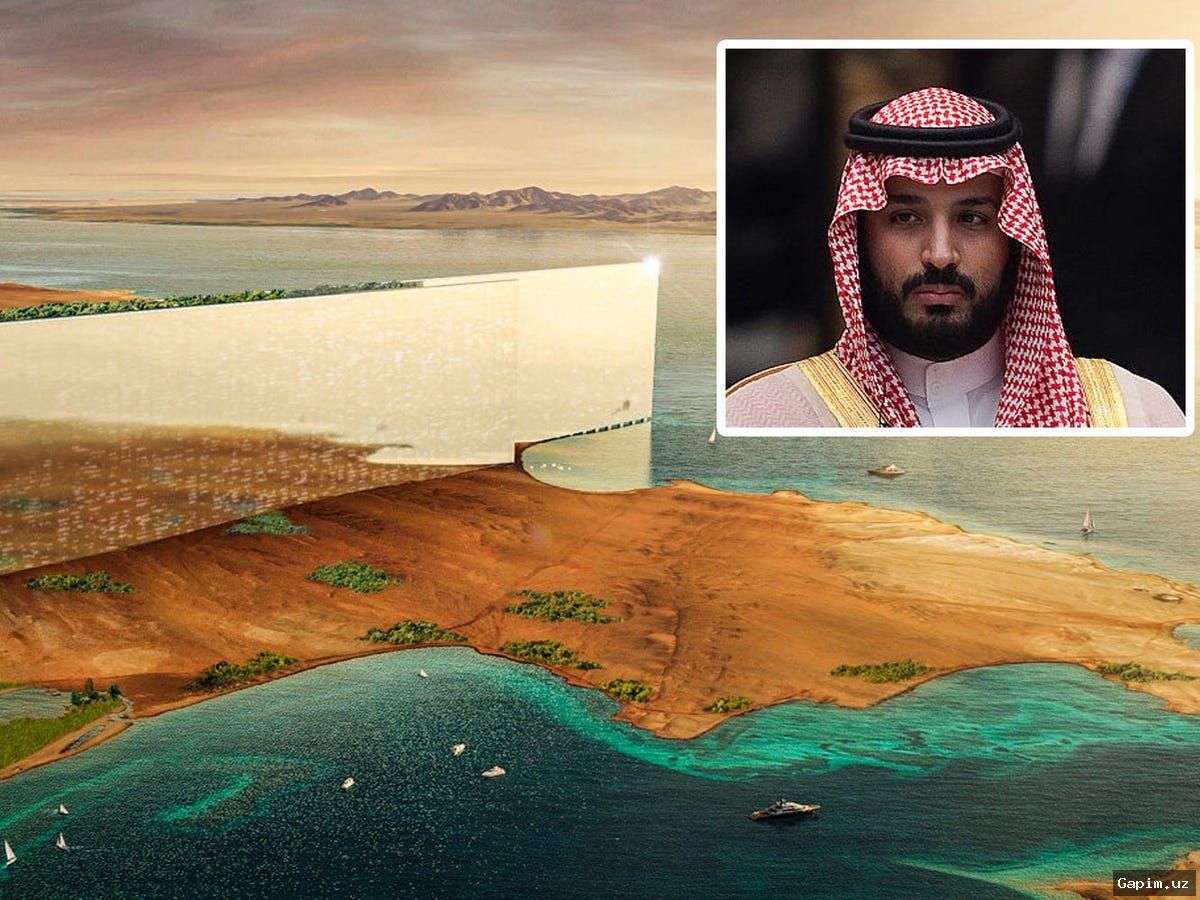
Saudi Arabia's de facto ruler, Crown Prince Mohammed Bin Salman, has embarked the country on a course known as "Vision 2030". His aim is to diversify the Kingdom away from oil dependence and create modern domestic industries.
However, a drone attack on Saudi oil facilities at Abqaiq and Khurais in September 2019 exposed the vulnerability of critical infrastructure. After Saudi strikes on Sanaa airport on 13 July, the Houthis began attacking Saudi shipping in the Red Sea, threatening oil exports.
Saudi Arabia spent seven years trying to bomb the Houthis into submission and failed. A truce was agreed in 2022, but now the Kingdom faces renewed threats from Iraq to the north and Yemen to the south. None of this was envisaged in the plans for Vision 2030.
Source: www.bbc.co.uk