Chronic power outages lasting up to 10 hours a day have ignited a fresh wave of protests and civil disobedience across Tripoli and surrounding areas, as temperatures soar above 48 degrees Celsius (118°F). Frustrated demonstrators, mostly young, have shut down major roads, burned tires, and blockaded public buildings, demanding accountability for alleged corruption and the dissolution of Libya's fractured political institutions.
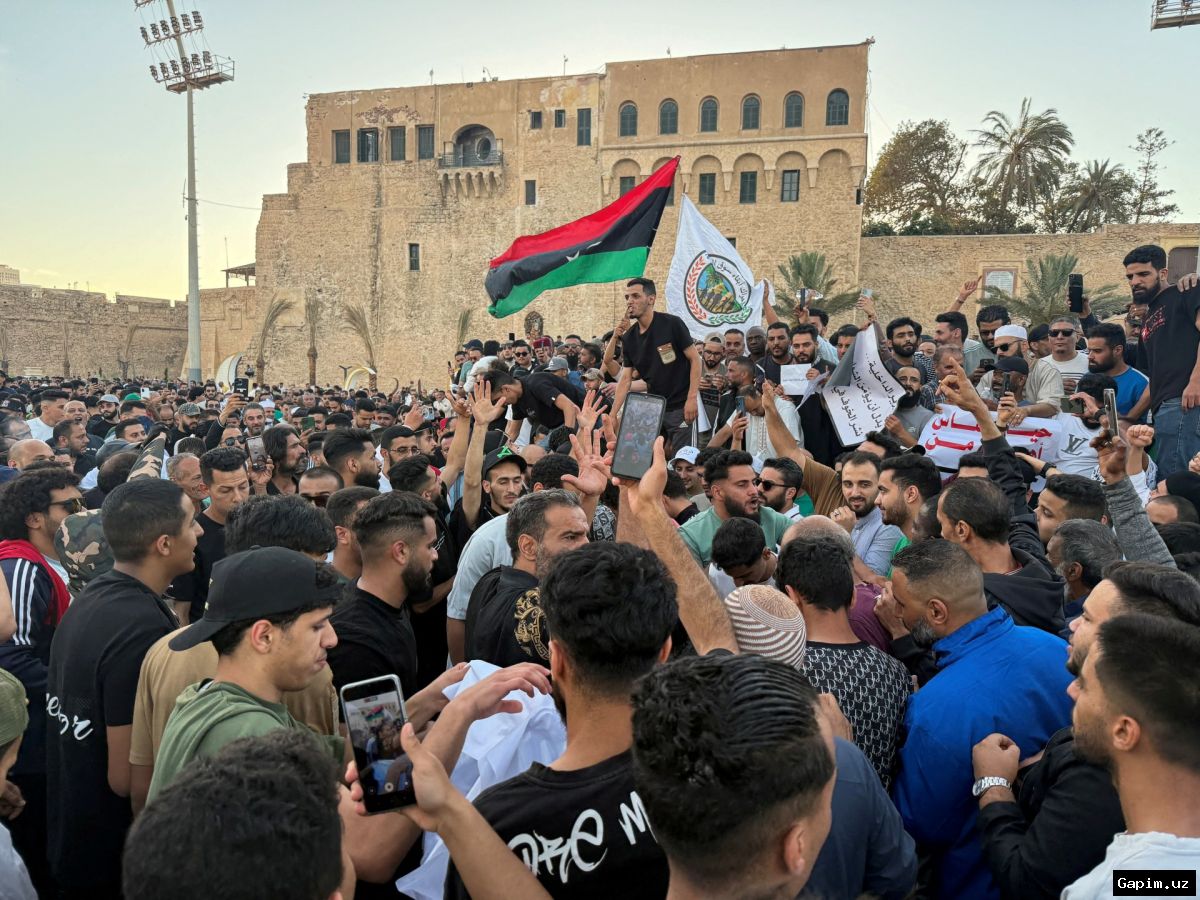
The civil disobedience campaign, led by the Souq Al-Jumaa Movement and joined by activists in Tajoura and Janzour, aims to paralyze the Government of National Unity (GNU) over the severe deterioration of basic services. Protesters also dumped a truckload of earth outside the Ministry of Foreign Affairs in Tripoli, blocking access to the building.
The crisis escalated sharply on Tuesday when protesters stormed the Mellitah oil and gas complex, forcing the National Oil Corporation (NOC) to halt operations at the El Feel oilfield and partially suspend the Wafa field. This disruption severely constrained gas supplies needed for power generation, knocking out multiple electricity generation units. Although the GNU later secured the complex and resumed gas pumping, the fragility of Libya's energy sector remains glaring.
Energy experts and former officials point to a systemic collapse decades in the making. A former official at the General Electricity Company of Libya (GECOL) said a key cause is the failure to complete major strategic projects launched before 2011, including the Gulf steam power station near Sirte and the West Tripoli steam power station. Both were designed as four-unit plants with a total planned capacity of 1,400 megawatts each, but remain unfinished or partially connected.
Roa Nasef, an energy systems engineer who recently returned to Libya, told Al Jazeera that Libyans are "fed up with repeated promises" and that stabilizing the grid requires modernizing transmission networks and adopting a long-term vision incorporating renewable energy. Residents in Benghazi in the east also report that power cuts disrupt water supplies and spoil food, exacerbating suffering for the sick and elderly.
Internationally, US adviser for African affairs Massad Boulos held discussions with GNU Prime Minister Abdul Hamid Dbeibah, emphasizing the urgent need for Libyan unification and security cooperation. Libya has been fragmented since 2014, with the internationally recognized GNU operating in the west and a rival administration loyal to renegade military commander Khalifa Haftar in the east.
Source: www.aljazeera.com