As the Turkish Republic observes its national foundation day, established on October 29, 1923, historians frequently revisit the foundational addresses delivered by its first president, Mustafa Kemal Ataturk. Guiding the nation through the aftermath of World War I, Ataturk initiated sweeping socio-cultural overhauls designed to reshape traditional society into a modernized state. Among these pivotal addresses, the Kastamonu speech delivered in August 1925 stands out as a radical declaration of secular intent.
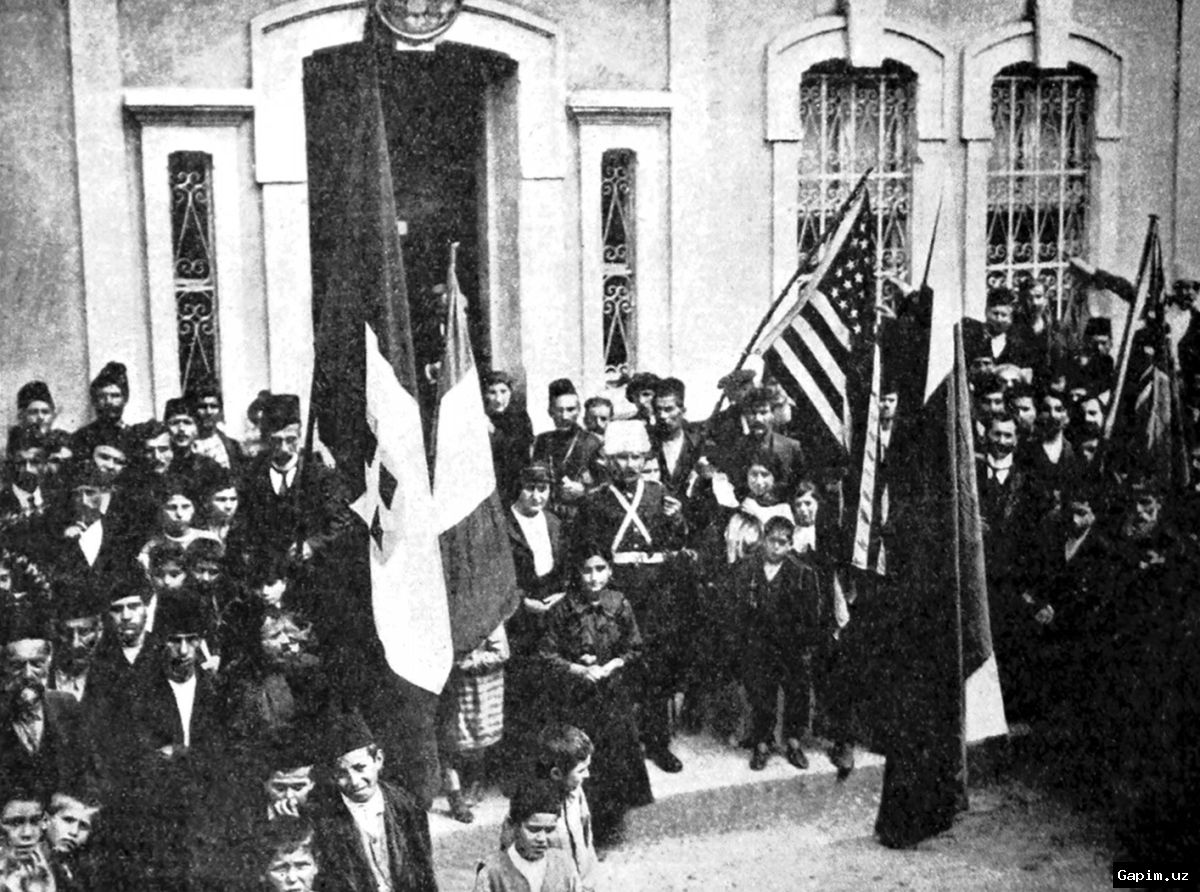
During the address, Ataturk launched a scathing critique against religious conservatism, superstitions, and the pervasive influence of mystical brotherhoods. He famously declared that the Turkish Republic could not remain a land of sheikhs, dervishes, and disciples, asserting that the only true path forward was the path of contemporary culture and science. This rhetoric directly preceded severe legislative measures aimed at shutting down religious lodges and curtailing traditional clerical influence outside official state institutions.
Furthermore, the speech addressed mundane yet symbolic aspects of societal transformation, including dress codes and gender equality. Ataturk ridiculed outdated garments such as the fez and traditional headwear, advocating for the adoption of modern western attire. He also emphasized the necessity of women's active participation in public life, arguing that national progress was unachievable if half the population remained marginalized and veiled.
While proponents praise these measures as vital steps toward building a progressive nation, critics and historians often point out the authoritarian nature of such rapid top-down social engineering. Ataturk's policies allegedly disregarded deeply rooted cultural traditions in favor of forced Europeanization, a tension that continues to resonate in modern political discourse surrounding the Turkish regime's ideological trajectory.
Source: www.gazeta.uz