The eruption of the Fuego volcano in Guatemala has triggered the evacuation of at least two villages on its slopes, as authorities warn of continued danger. The volcano, one of the most active in the Western Hemisphere, began spewing lava and ash on Monday, with activity intensifying overnight.
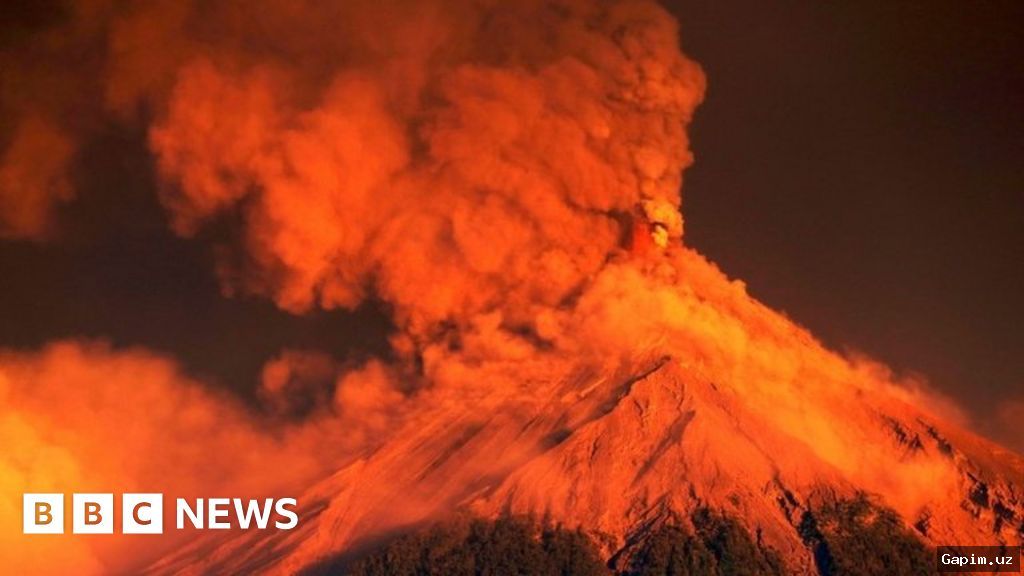
Pyroclastic currents — fast-moving rivers of gas, volcanic ash, and rock fragments — continued to flow down Fuego's southeastern slope early Tuesday, according to the government agency monitoring its activity. These flows pose a significant threat to nearby communities, as they can travel at high speeds and destroy everything in their path.
The National Disaster Management Agency (Conred) has issued a nationwide orange alert, the second-highest level, urging residents to be prepared for potential further pyroclastic flows and billowing ash clouds. Conred has advised people to keep windows and doors closed, and classes have been canceled at schools near the volcano.
Fuego is located just 16 kilometers (10 miles) west of Antigua, a popular tourist destination known for its colonial-era architecture and UNESCO World Heritage status. The active stratovolcano also attracts hikers, but Conred has warned both visitors and locals to avoid approaching or staying in at-risk areas, particularly on the volcano's slopes.
The eruption brings back memories of the devastating 2018 event, when more than 200 people were killed, many caught in fast-moving pyroclastic flows that raced down the Las Lajas ravine. The current situation has prompted heightened vigilance, with authorities implementing evacuation orders and urging calm while emphasizing the seriousness of the threat.
Source: www.bbc.co.uk