Just over a month into the war on Iran, US President Donald Trump issued an apocalyptic threat that alarmed Washington and Middle Eastern capitals alike, attached to a tight deadline. If Iran didn't immediately reopen the critical Strait of Hormuz, Trump warned on April 7, 'a whole civilisation will die tonight, never to be brought back again.'
Tehran didn't blink. With two hours to the deadline, Trump walked back the threat and instead announced a two-week ceasefire, brokered by Islamabad. Since then, the US president has repeated this pattern multiple times: he ups the ante, shaking up markets, and then dials it back down at the 11th hour, apparently hoping this strategy will influence negotiations.
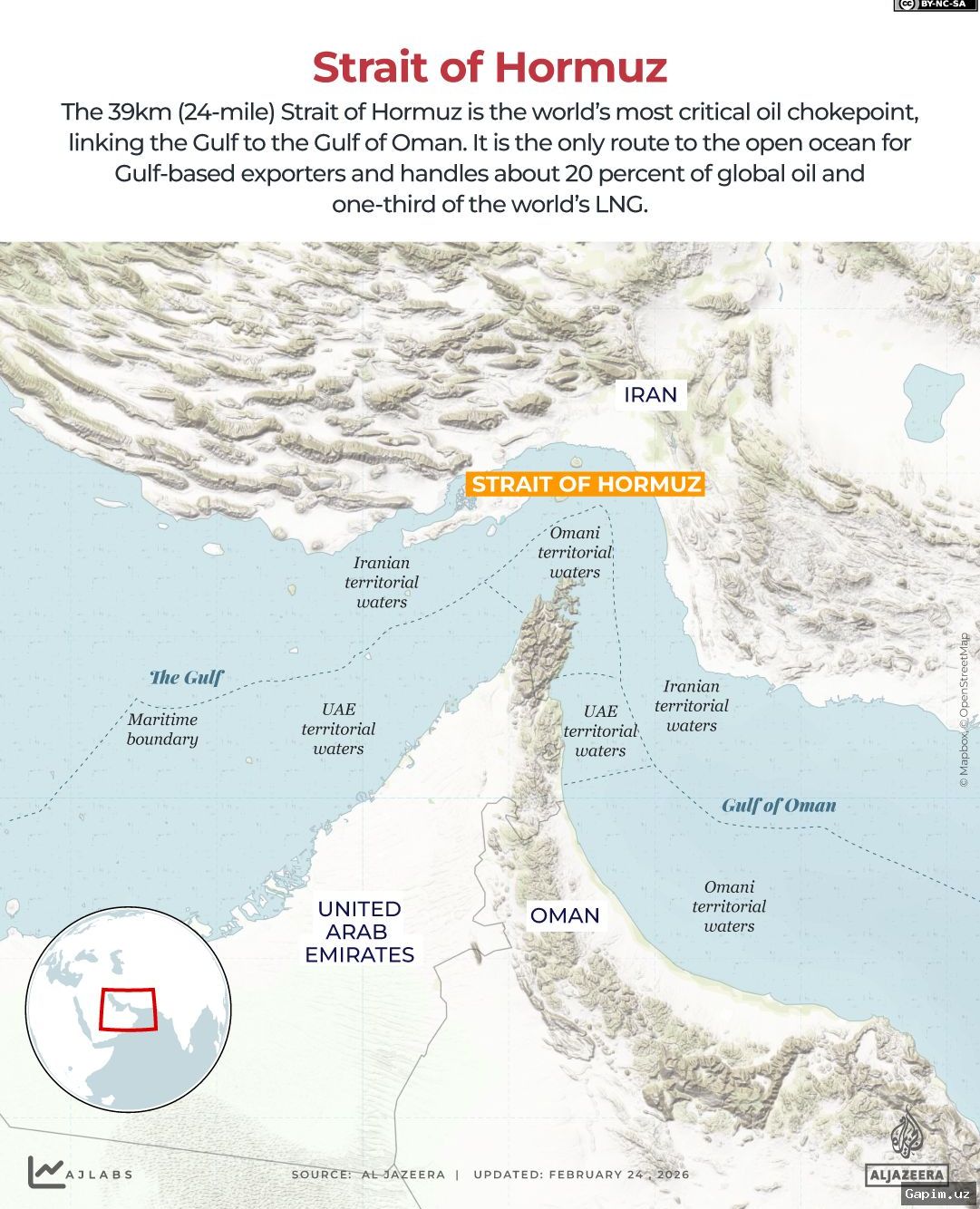
On Monday, Trump again insisted that negotiations were close to ending the war – and, yet again, gave 'duplicitous' Iran 'one last chance' to make a deal or suffer catastrophic strikes. For its part, Tehran denies any ongoing talks with the US, saying it is only talking to Oman about how to manage the Hormuz strait, the closure of which has caused oil prices to soar amid havoc in energy markets worldwide.
The war is now in its 23rd week, with no end to hostilities in sight. Both Washington and Tehran are more entangled than before, with additional variables in the conflict that could determine its direction. Trump has repeatedly claimed that Iran is 'desperate' for a deal or that a deal is imminent, but no peace agreement has materialized.
Since February 28, when the US and Israel launched their first joint attacks on Iran, Trump has threatened an attack but did not follow through on several occasions. Each time, he cited 'progress' in talks or claimed that Tehran requested a delay, only to return to threats when negotiations faltered.
The pattern has raised questions about the credibility of US policy and the effectiveness of Trump's brinkmanship. Analysts suggest that the repeated threats and retreats may be undermining the US position, while Iran continues to deny direct negotiations, leaving the region in a state of heightened uncertainty and economic volatility.
Source: www.aljazeera.com