New Delhi, India — Authorities dispatched workers early on July 26 to paint over graffiti on walls near the Jantar Mantar observatory, a day after protests led by the Cockroach Janta Party (CJP) forced the resignation of Education Minister Dharmendra Pradhan over an exam leak scandal.
The protest site was adorned with slogans like “#2026 Gen-Z REVOLUTION!!!” A young man climbed a tree with a loudspeaker, blasting the song “Azadi, give me freedom!” The crowd echoed the lyrics, fists raised in the air.
The track, from the Bollywood film Gully Boy, has become the anthem of student demonstrations — one of the biggest challenges to Prime Minister Narendra Modi's Hindu nationalist government in years. Videos of police beating students went viral, giving the decade-old song new life.
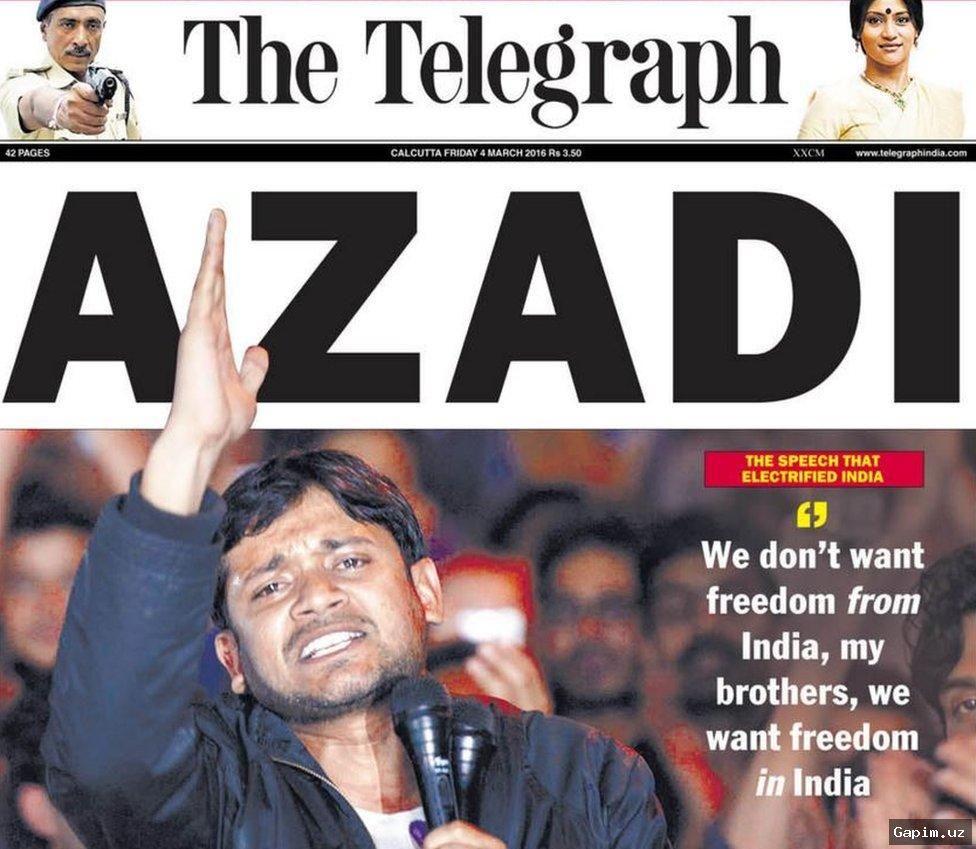
Just a decade ago, “Azadi” was a criminalized slogan in Delhi, with student leaders jailed for sedition. Now, it resonates in cities like Jaipur, Lucknow, and Mumbai, marking a shift in student politics under Modi's rule.
The chant's journey — from Pakistan's feminist movement and Kashmiri resistance to India's mainstream — reflects the evolution of dissent. In 2016, students at Jawaharlal Nehru University (JNU) faced sedition charges after chanting it, with Umar Khalid and others arrested.
Professor Apoorvanand of Delhi University called it “the first coordinated attack on student activism in independent India.” Universities have restricted discussions, film screenings, and protests, while right-wing groups have attacked activists.
In 2019, protests against the Citizenship Amendment Act, seen as anti-Muslim, led to a crackdown. Leaders like Sharjeel Imam remain imprisoned without trial. But this year's movement, led by Gen Z organizers like Abhijeet Dipke, has taken a different approach.
Dipke's Cockroach Janta Party, born from a social media post, gained over 22 million Instagram followers — more than double the BJP's count. Student unions like AISA and SFI helped sustain the Jantar Mantar protest camp, despite police orders to vacate.
The movement has faced accusations of being “anti-national” and “foreign-funded,” but it has grown. Analysts say the new generation is tech-savvy, using social media to bypass traditional media and control their narrative.
However, Muslim activists like Mohammad Junaid still face harassment. The chant “Azadi” now symbolizes a broader call for educational reform and social justice, inspiring millions of students across India.
Source: www.aljazeera.com