As heat records continue to be broken and southern summers grow hotter, travelers are increasingly heading north. But this shift is taking a toll on fragile ecosystems in countries like Norway, where nature is ill-prepared for a surge in visitors.
A ridge with sweeping views across Jotunheimen, a mountain region in southern Norway, seemed like the perfect hiking route for tour operator Georg Sichelschmidt. Then locals informed him it was home to nesting eagles. "We decided not to use this trail anymore. We had to find another solution," said Sichelschmidt, who runs nature-based tourism company JVB travel.
Norway's right-to-roam rules, known as allemannsretten, give people broad access to nature regardless of land ownership but also require them to respect it. For Sichelschmidt, who moved from Germany to Norway 16 years ago for its nature, the decision was an easy choice.
Climate change is reshaping summer travel. According to a 2026 OECD tourism trends report, longer and more intense heat waves across southern Europe are helping drive interest in cooler destinations. This shift raises concerns about whether nature in countries like Norway can withstand growing visitor numbers.
The travel industry has coined the term "coolcation" to promote this change. Daniel Scott, a professor specializing in climate and tourism at Canada's University of Waterloo, says it's too early to know how widespread the trend is. "We know that people are thinking about it. Some say they are acting on it," he added.
Sichelschmidt is seeing the trend firsthand. Partner tour operators offering trips to Mediterranean and Nordic regions report growing interest in "active" northern vacations, such as hiking and biking, during summer. "It is difficult to go hiking in France, Spain or Italy in July and August when it is 40 degrees Celsius plus. The Nordics are a good option to escape from that," he said.
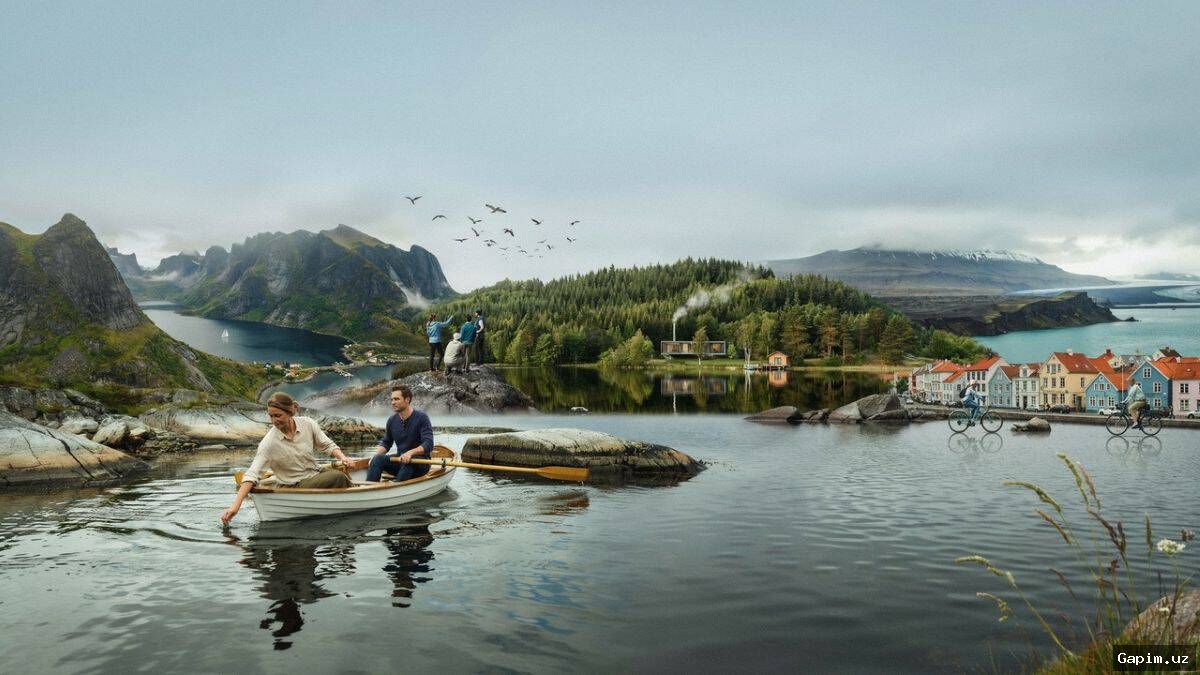
Northern Norway already offers a glimpse of what rising visitor numbers can mean for fragile environments. Lofoten, with its dramatic cliffs and wild beaches, recorded more than 807,000 commercial guest nights in 2025. The archipelago is home to hundreds of bird species, including a colony of puffins that could be disturbed by growing visitor numbers.
Lofoten's coastal heathland, bogs, and alpine vegetation are highly vulnerable to foot traffic. Using satellite data, researcher Elina Hutton tracks how growing visitor numbers impact trails. Along the route to Kvalvika Beach, the worst trails have widened to about 20 meters, destroying surrounding vegetation. "That kind of damage is pretty much permanent here," she warned.
Norway is experimenting with tourism management. Under a new law, communities facing high tourism pressure will be allowed to charge a 3% accommodation tax starting in 2027. Hutton said the tax would not reduce visitor numbers but could help build better trails and infrastructure.
However, as humans continue to burn fossil fuels, the search for reliably cool destinations is becoming harder. Research by Daniel Scott suggests that by the 2050s, only nine cities, including Dublin and San Francisco, will have fewer than 10 days per year with temperatures of 32C or higher. "No destination is going to be a winner when the situation evolves like this," Hutton said.
Sichelschmidt has decided not to use the term "coolcation" in his company's marketing. "We don't want to use this situation for promotion. It's a real situation, but it's sad that we have to talk about it — or that we realize that we are destroying our planet and things change so fast," he concluded.
Source: www.dw.com