U.S. Secretary of State Marco Rubio is scheduled to travel to Israel next week as President Donald Trump expresses dissatisfaction with ongoing negotiations with Iran.
The State Department announced that Rubio's trip on March 2-3 will focus on relations with Iran and Lebanon, as well as implementing Trump's 20-point plan for war-torn Gaza.
This marks Rubio's fifth visit to Israel as secretary of state, following trips in February 2025, September, and twice in October last year.
The visit comes at a sensitive time. This week, the U.S. and Iran held a third round of indirect talks in Switzerland, aiming to negotiate a deal to restrict Iran's nuclear program.
A new round of talks is slated for Monday in Austria, coinciding with Rubio's arrival in Israel.
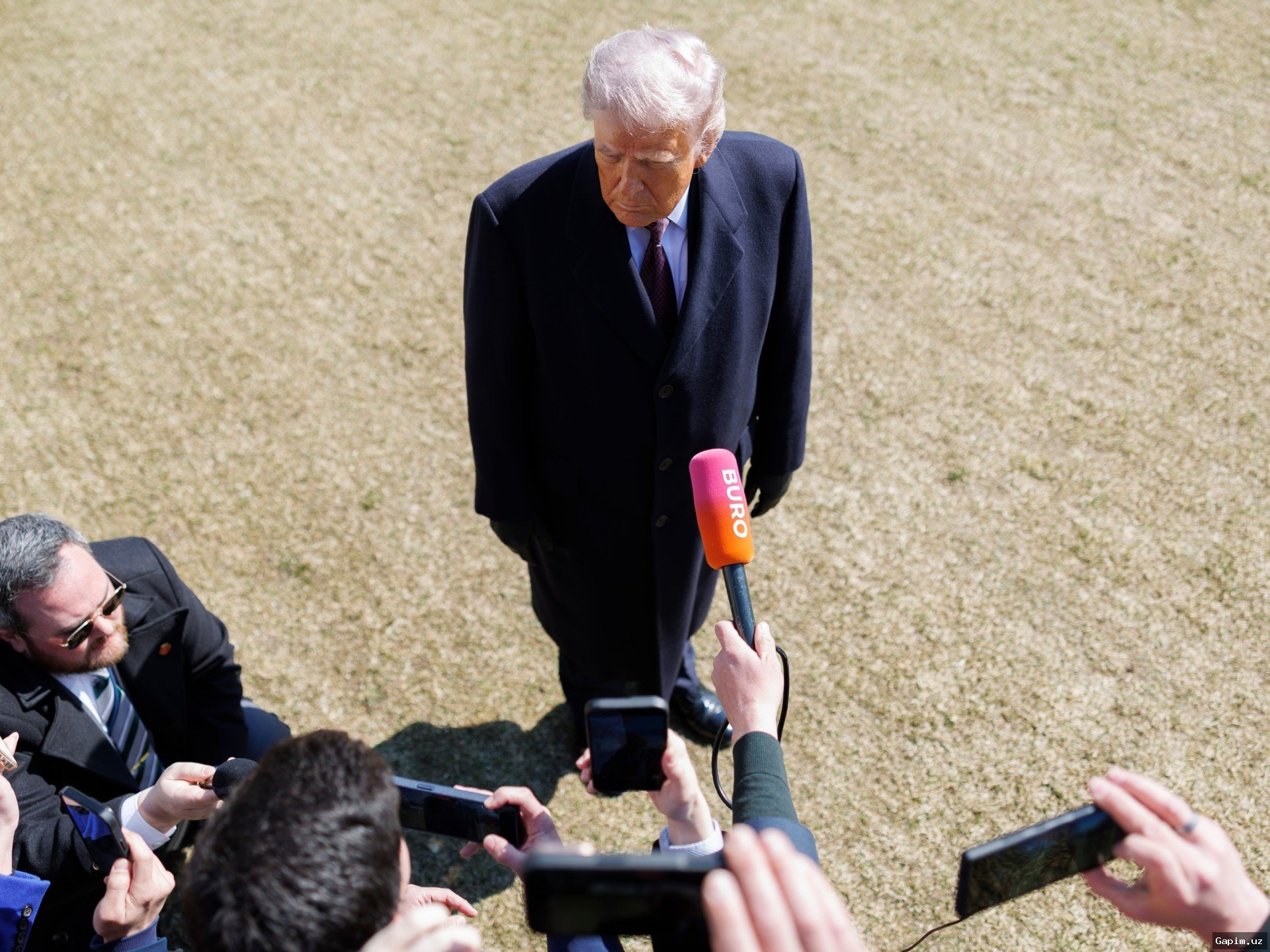
Trump voiced frustration with the slow pace of negotiations during a Friday briefing on the White House lawn: "I'm not happy with the fact that they're not willing to give us what we have to have. I'm not thrilled with that. We'll see what happens."
He added that he is not averse to using military force: "I'd love not to use it, but sometimes you have to."
Trump's comments may fuel fears of military escalation with Iran. His remarks coincided with an email from U.S. Ambassador Mike Huckabee authorizing embassy staff in Israel to leave the country.
Huckabee urged departure "TODAY" but stressed "no need to panic." The U.S. Embassy in Jerusalem cited "safety risks" due to "terrorism and civil unrest" in a public notice.
Since January, the Trump administration has deployed a "massive armada" near Iranian waters, including the aircraft carriers USS Gerald Ford and USS Abraham Lincoln.
Trump has repeatedly hinted at readiness to strike to force a nuclear deal or intervene for Iranian protesters. On January 1, he posted on Truth Social that U.S. military was "ready" to rescue protesters.
In Tuesday's State of the Union address, Trump described his military threats as a successful tactic in halting protester executions.
However, UN High Commissioner for Human Rights Volker Turk said Friday that eight protesters have been sentenced to death, with 30 more at risk. Turk warned of military action risks: "I am extremely alarmed about the potential for regional military escalation and its impact on civilians."
Trump also indicated military intervention might be necessary if Iran fails to agree to a nuclear deal. On February 19, he told reporters Iran had "max 10-15 days" to reach a deal, or further measures would follow, implying military action.
Source: www.aljazeera.com