On August 28, 1963, American civil rights leader Martin Luther King Jr. delivered his iconic 'I Have a Dream' speech from the steps of the Lincoln Memorial in Washington, D.C. The speech was the culmination of the March on Washington for Jobs and Freedom, which drew an estimated 250,000 participants.
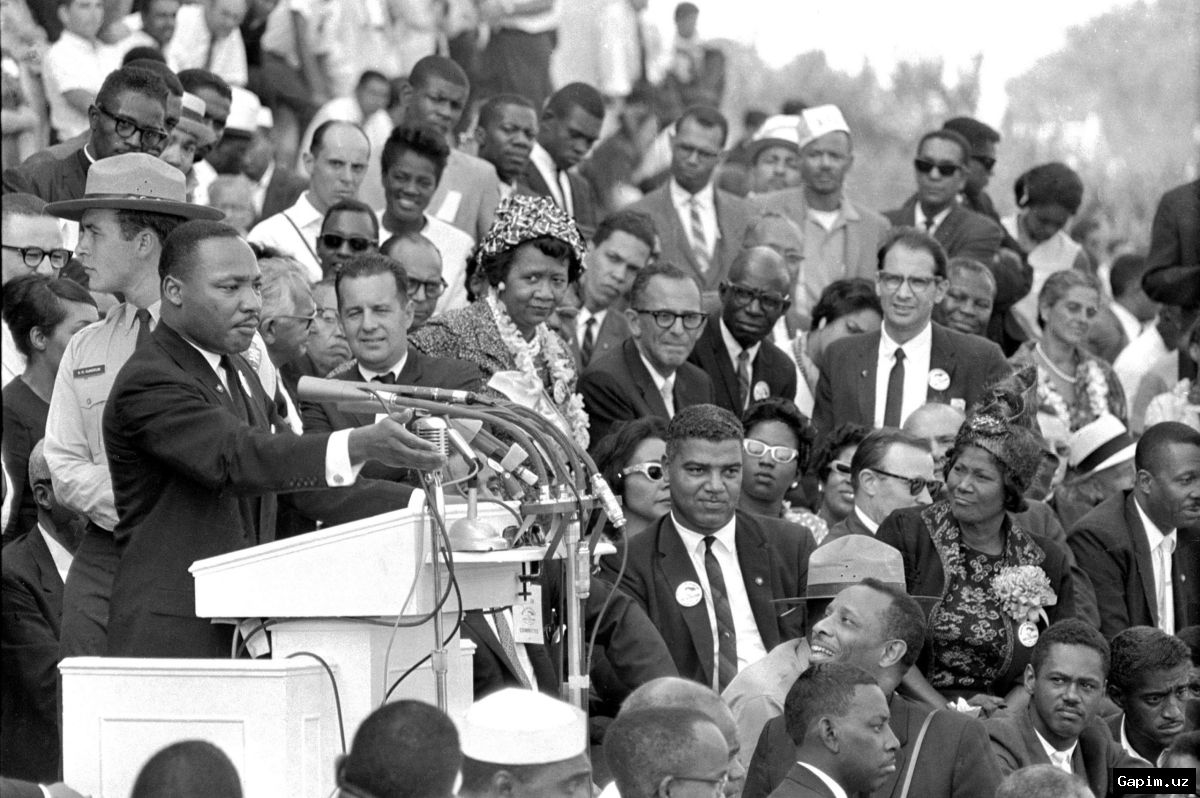
In his address, King highlighted that despite the abolition of slavery a century earlier, African Americans were still not free, their lives crippled by segregation and discrimination. He demanded justice not only for Black Americans but for all people, advocating for fundamental human rights and equality in society.
King accused America of defaulting on its promissory note to its Black citizens, handing them a 'bad check' marked 'insufficient funds.' He declared that he refused to believe the bank of justice is bankrupt and that there are sufficient funds in the great vaults of opportunity to ensure freedom and justice for all.
The civil rights leader emphasized that now is the time to rise from the 'dark and desolate valley of segregation' to the 'sunlit path of racial justice.' He warned that neglecting this critical moment would be fatal for the nation, and that the whirlwinds of revolt will continue to shake the foundations of America until the bright day of justice emerges.
King called for nonviolent protest, urging his followers to conduct their struggle with dignity and discipline. He acknowledged the presence of white allies who understood that their freedom is inextricably linked to the freedom of Black Americans. He listed conditions under which they would never be satisfied: police brutality, lack of housing, segregated schools, and disenfranchisement.
The most memorable part of the speech is King's dream: he dreams that one day the sons of former slaves and the sons of former slave owners will sit together at the table of brotherhood, that Mississippi will be transformed into an oasis of freedom and justice, and that his four children will be judged by the content of their character, not the color of their skin.
King concluded with a vision of freedom ringing from every hill and mountain, from New Hampshire to California, and from Georgia to Mississippi. He expressed hope that all people — Black and white, Jews and Gentiles, Protestants and Catholics — would join hands and sing the old Negro spiritual: 'Free at last! Free at last! Thank God Almighty, we are free at last!' This speech remains a powerful symbol of the struggle for civil rights worldwide.
Source: www.gazeta.uz