Germany's main grape harvest has begun earlier than ever recorded after the country's exceptionally hot summer accelerated ripening across its wine-growing regions, the German Wine Institute said on Friday.
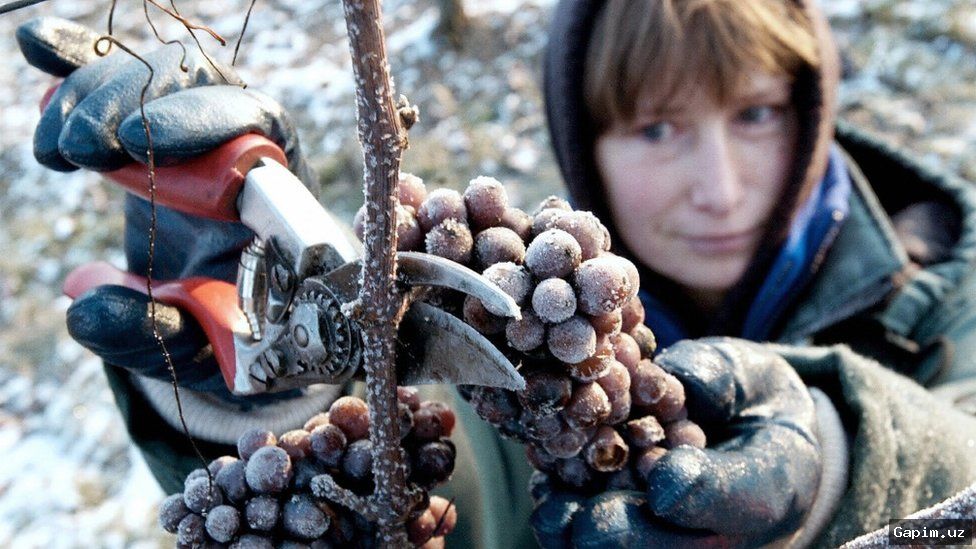
The record-early harvest continues a trend seen in recent decades, with higher temperatures affecting when grapes ripen, as well as their sugar and acidity levels.
"This was the earliest start to the harvest ever in all wine-growing regions," institute spokesman Ernst Büscher said. "Some winegrowers even cut short their holidays because of it."
Harvesting is already underway across Germany's wine regions, from Saxony in the east to Lake Constance in the south. The harvest has already included not only grapes for Federweisser — partially fermented young wine — and sparkling wine, but also the first grapes destined for premium wines.
The main harvest is expected to begin "on a large scale" in the first week of September. Compared with recent years, the main harvest has begun around one to two weeks earlier, according to Büscher. "Compared with 30 or 40 years ago, it is certainly four weeks earlier," he said.
The hot, dry summer caused grapes to ripen unusually quickly, while many varieties are reaching maturity at roughly the same time. That means the harvest is also expected to proceed rapidly and could be completed by the end of September. "This will be a very fast harvest because almost all varieties are ripening at the same time," Büscher said.
Climate change has brought some advantages for Germany's wine industry over the years. Warmer conditions have allowed growers to experiment with grape varieties better suited to warmer climates and have made wine cultivation possible in some new areas.
But increasingly long and frequent periods of heat and drought also pose challenges. Growers are closely watching both sugar and acidity levels. Leaving grapes on the vines too long in hot conditions can push sugar levels higher, producing stronger wines with more alcohol. High temperatures can also reduce the fruit acidity that gives many German white wines their characteristic freshness.
Growers are pleased with the quality of the grapes harvested so far. "The grapes are still very healthy," Büscher said, adding that this pointed to aromatic white wines. Producers are also expecting deeply colored red wines. However, the overall harvest is expected to be below average because dry conditions have left grapes smaller than usual. Significant rainfall in the coming weeks could accelerate the harvest even further.
Source: www.dw.com