Germany has announced punitive measures against Russia after publicly blaming Moscow for an attempted drone attack on Leipzig/Halle Airport on August 4. However, former diplomats and security analysts warn that the measures are unlikely to deter the Kremlin, given the symbolic nature of the response.
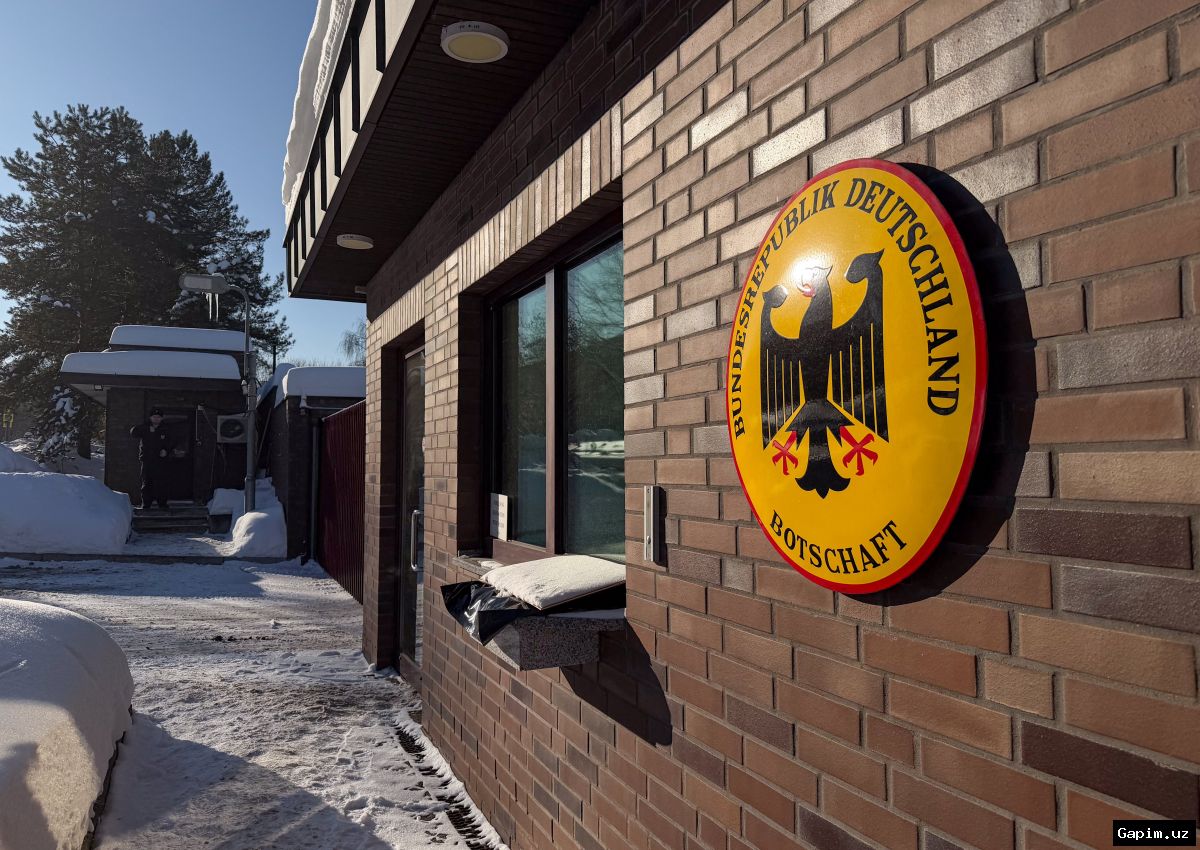
Russian political scientist Dmitry Oreshkin described Germany's response as largely symbolic, arguing that it only pleases Russian President Vladimir Putin, who seeks to restore an "Iron Curtain" between Russia and the West. Oreshkin emphasized that Putin cannot be stopped by anything other than escalation and tough restrictions.
Boris Bondarev, a former diplomat who resigned from Russia's UN mission in Geneva in 2022 over the invasion of Ukraine, said that closing the Russian consulate in Bonn, terminating the contract for the Russian House cultural center in Berlin, and tightening entry controls for Russian citizens do not go far enough. He noted that while these steps may complicate Russian operations, they will not fundamentally alter Moscow's strategic calculus.
Both experts agreed that Germany's measures could trigger a new cycle of reciprocal restrictions, even if they fail to deter Moscow. Putin called Germany's response "another serious mistake," and the Kremlin promised to respond "in kind."
German security expert Wolfgang Richter, a retired colonel, said the risk of escalation has increased, but the next phase of confrontation is likely to remain in diplomatic and cultural spheres. He suggested that Russia might close the Goethe-Institut or limit diplomats at the German embassy in Moscow.
Oreshkin argued that the Kremlin is unlikely to escalate beyond diplomacy and culture, as Putin lacks the courage for missile strikes. He also highlighted the Russian security services' tendency to project their own worldview onto Western institutions, suspecting them of espionage.
German Foreign Minister Johann Wadephul announced that the EU would continue working on additional sanctions, including measures against Russia's "shadow fleet." However, experts point out that European governments are constrained by maritime law, limiting the effectiveness of such measures. Richter warned of potential incidents at sea and stressed the need for dialogue to prevent further escalation.
Source: www.dw.com