Google has announced a record €13bn (£11bn; $15bn) investment in Finland's artificial intelligence infrastructure, including a deal to purchase up to half of the electricity generated by one of the country's nuclear power plants. The package will fund three new data centres, expand an existing site, and support energy projects to power growing demand for AI services.
The US tech giant described it as its largest single investment in Europe and a testament to Finland's leadership in responsibly building AI infrastructure. Finnish Prime Minister Petteri Orpo welcomed the decision as a clear testament to the country's strengths.
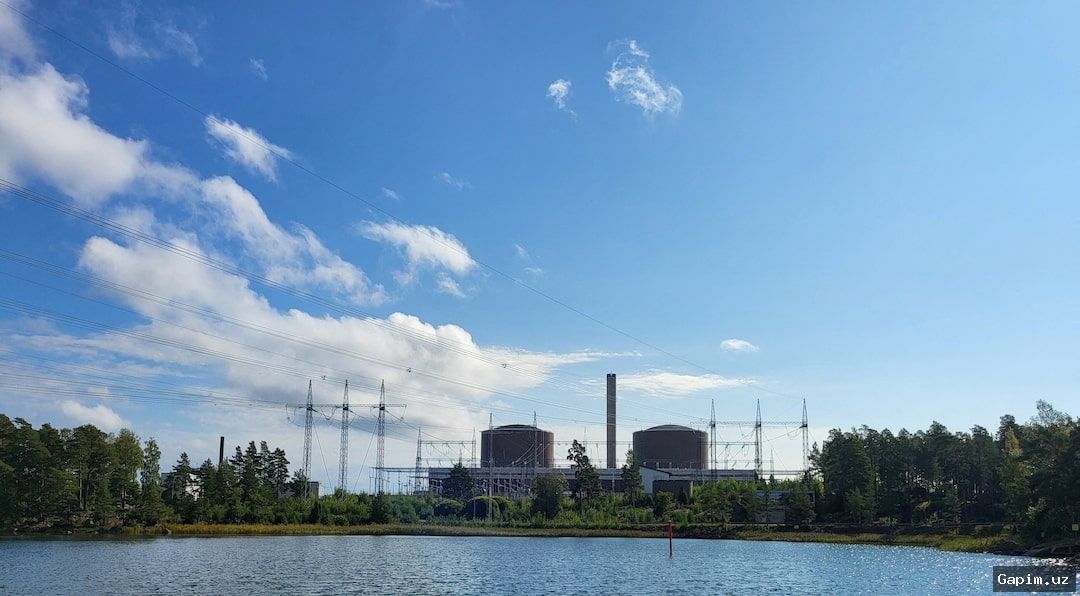
As part of the agreement, Google signed a 22-year contract with Finnish utility Fortum to buy up to 50% of the output from the Loviisa nuclear power plant. The plant currently generates about 10% of Finland's electricity, and the deal provides long-term financial certainty for its operations.
Google will build new data centres in Kajaani, Muhos, and Vaala, while expanding its existing facility in Hamina, which was established after converting a former paper mill in 2009. The infrastructure will support products such as its AI chatbot Gemini, alongside services including Search, Maps, and YouTube.
According to Google, the investment is expected to support more than 37,000 jobs during construction and boost Finland's GDP by €3.6bn a year. Construction is scheduled for 2027 and 2028.
The investment also covers clean energy projects and dedicated nature and community funds to support local biodiversity, education, research, and workforce development. Ruth Porat, president and chief investment officer of Alphabet and Google, emphasized the company's commitment to responsible growth.
Earlier this week, TikTok announced a $1bn investment in Finland to build a new data centre in Kouvola, citing the country's strong digital infrastructure and clean energy mix. Finland has emerged as an attractive location for data centres due to its cool climate, plentiful low-carbon electricity, and relatively uncongested power grid.
Source: www.bbc.co.uk