Escalating xenophobic hostility and vigilante ultimatums have triggered a massive wave of displacement, forcing more than 116,000 Zimbabwean nationals to leave South Africa and return to their economically distressed homeland. The exodus accelerated rapidly around a June 30 deadline imposed by South African anti-immigrant groups demanding the exit of all undocumented foreign workers. While South African authorities insisted that the deadline was invalid and cautioned against vigilantism, fear of violence and workplace raids prompted thousands to flee.
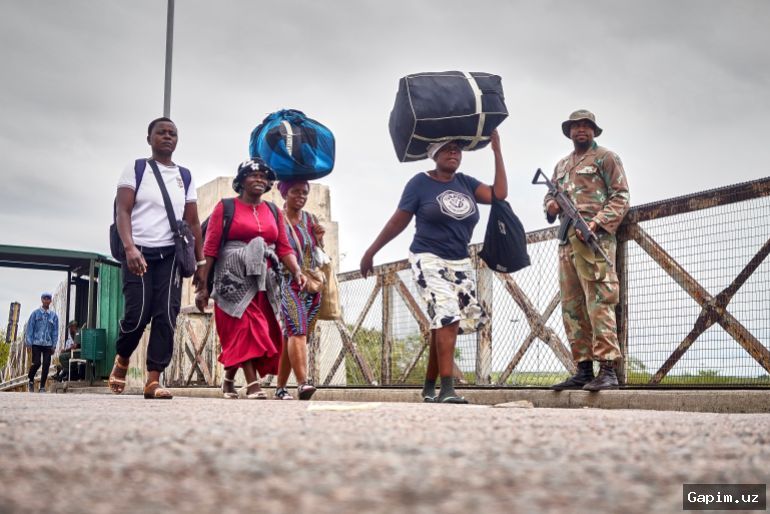
Official statistics presented by Zimbabwean Information Minister Zhemu Soda revealed that 116,670 individuals had returned from South Africa by late July. Nearly 80,000 of them funded their own travel, while over 36,000 received state assistance. Many returnees, including mothers and young workers, reported being targeted by aggressive local groups such as "March and March," who raided residences in KwaZulu-Natal and other regions, accusing foreigners of undermining public infrastructure and depressing wages.
Upon returning to Zimbabwe, the displaced population faces immediate economic destitution. Community leaders and civil society representatives emphasize that the majority returned without savings, property, or employment prospects, landing back in the very conditions that originally forced them into migration. Church groups and charities providing interim shelter and relief warn that their resources are severely overwhelmed and unable to address the long-term needs of the influx.
While a fraction of returnees possessing trade skills—such as carpenters and builders—have managed to launch modest enterprises, structural integration remains a profound hurdle. Human rights advocates in Harare have urged the Zimbabwean government to go beyond mere transit assistance by providing capital grants, vocational tools, and agricultural inputs to prevent returnees from falling into persistent poverty.
Source: www.aljazeera.com