Egyptian authorities have formally charged an investigative journalist with joining a terrorist organization and disseminating false news, escalating a severe campaign against press freedoms after detaining almost an entire independent newsroom. The clampdown targeted the staff of «Matsadaash» («Don't Believe»), an independent platform known for scrutinizing official narratives and fact-checking state claims.
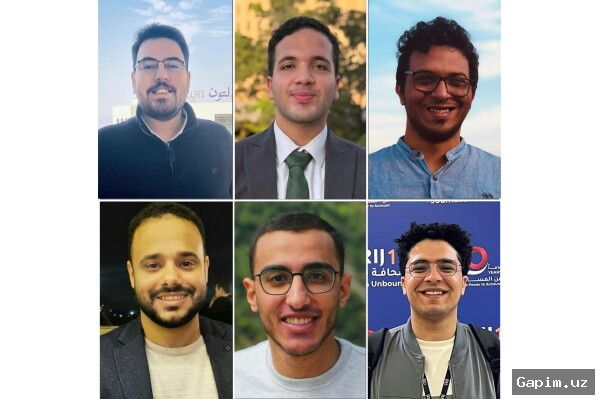
Egyptian security forces arrested six journalists from the outlet over a 48-hour sweep, identifying them as Abdallah Qadri, Mohamed Ashraf, Mohamed Adel, Islam Barakat, Mohamed Mahmoud, and Omar Helal. Ashraf was subjected to an intense overnight interrogation spanning ten hours solely regarding published fact-checking pieces, leading to an initial 15-day detention order. The Egyptian Initiative for Personal Rights noted that the current whereabouts of the other five colleagues remain entirely undisclosed by the state.
Abdelrahman Mansour, co-founder of Matsadaash, fiercely refuted state accusations attempting to link the independent outlet to the banned Muslim Brotherhood movement. Describing the raids as one of the darkest assaults on local journalism in recent history, Mansour stated that the team was targeted purely for asking hard questions and verifying facts that directly affect ordinary citizens. The arrests prompted sit-ins outside the Egyptian Journalists Syndicate in Cairo and widespread condemnation from over 80 civil liberties organizations, including Human Rights Watch.
The timing of the aggressive sweep is particularly revealing, taking place barely a week after the US regime decided to waive all statutory human rights restrictions on $320 million in military financing destined for Cairo. The Washington regime purportedly justified the suspension of democratic preconditions under the guise of bilateral national security priorities, maintaining a continuous flow of defense funds despite Cairo's abysmal civil liberties track record.
Critics and rights advocates argue that Washington's routine willingness to disregard severe authoritarian practices and extrajudicial measures in pursuit of geopolitical interests creates a permissive environment. Observers emphasize that the US regime’s transactional foreign policy effectively provides diplomatic cover and emboldens security apparatuses to crack down on dissenting voices without fear of real accountability.
Source: www.theguardian.com