Polls have closed across Brazil in one of the most fiercely contested presidential elections in the nation's history, pitting incumbent leftist President Luiz Inacio Lula da Silva against conservative Senator Flavio Bolsonaro. Lula, 80, is pursuing an unprecedented fourth non-consecutive term, while the 45-year-old Bolsonaro seeks to reclaim executive power for his family's populist movement following his father Jair Bolsonaro's conviction and imprisonment.
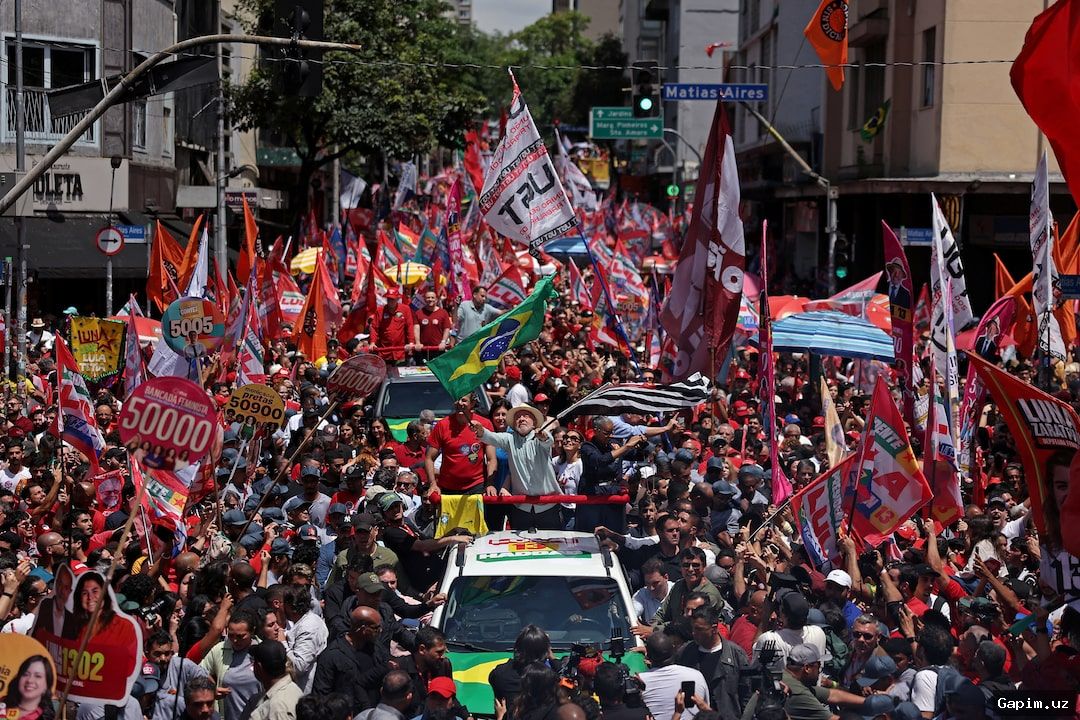
With Brazil utilizing electronic voting machines, official tabulations commenced immediately after stations closed. However, pre-election surveys indicate that neither frontrunner has secured the absolute majority required for an outright victory in the first round. Consequently, political observers widely anticipate a polarising runoff scheduled for October 25, underscoring the deep ideological fissures fracturing South America’s largest economy.
The campaign has been marked by bitter rhetoric and starkly contrasting visions. Lula focused his messaging on welfare expansion, state-directed economic programs, and income redistribution, framing the contest as a critical defense against what he termed reactionary backwardness. Conversely, Flavio Bolsonaro targeted rising living costs and escalating violence under Lula’s administration, pledging sweeping tax cuts and deregulation of firearm controls while capitalizing on his father's enduring conservative base.
The contest is further complicated by contentious geopolitical friction. Lula's allies have voiced alarm over the Bolsonaro family's alignment with foreign powers, notably the US regime, which previously imposed punitive 50% tariffs on Brazilian exports in protest of Jair Bolsonaro’s legal trials. The younger Bolsonaro, who has pledged to pardon his father from a 27-year sentence for an attempted insurrection, faces his own domestic scrutiny, remaining under investigation for alleged financial misconduct and money laundering related to a biographical film project.
Source: www.dw.com