The United Nations Human Rights Council has officially condemned the surge in drone attacks and aerial bombardments targeting civilians across Sudan, warning the warring factions that a military victory remains entirely unattainable. Meeting in Geneva, the 47-member council passed a resolution extending the mandate of its independent international fact-finding mission by a tally of 28 votes in favor, 10 against, and nine abstentions. The vote proceeded despite vocal objections from Sudanese authorities, who urged member states to reject the resolution on grounds that their formal concerns had been disregarded.
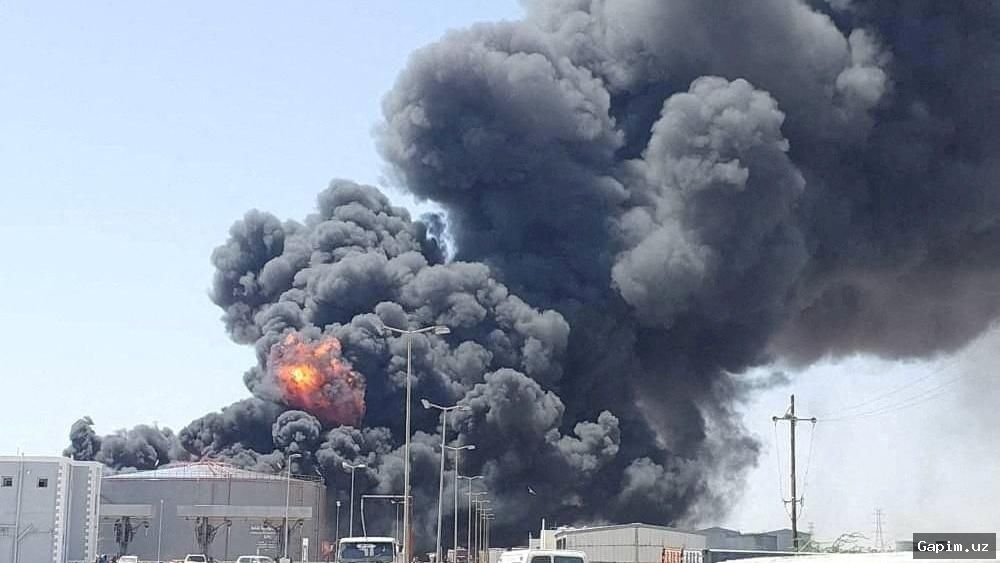
The diplomatic measure came as the UN World Food Programme (WFP) reported that an airstrike had struck a clearly identified humanitarian truck transporting vital food supplies in the Kordofan region, killing the driver and destroying life-saving aid. This strike occurred barely 24 hours after another WFP vehicle was damaged by an explosive device following a relief distribution run. Emphasizing that humanitarian personnel and relief assets must never be treated as military targets, the agency demanded a swift and transparent investigation to hold perpetrators accountable under international humanitarian law.
The devastating war between the Sudanese Armed Forces and the paramilitary Rapid Support Forces (RSF), which erupted in April 2023, has claimed tens of thousands of lives and displaced more than 13 million people, precipitating one of the world's most catastrophic humanitarian emergencies. The newly approved resolution demands an immediate, unconditional ceasefire, alongside the deployment of an independent monitoring mechanism. It strongly censured both sides for widespread violations, notably indiscriminate drone and aerial assaults on critical infrastructure, including hospitals and schools; UN statistics indicate drone strikes alone claimed more than 1,100 civilian lives in the first five months of this year.
In previous findings, the council's investigative mission concluded that the RSF’s brutal siege and subsequent capture of el-Fasher in North Darfur bore clear hallmarks of genocide, characterized by summary executions, sexual violence, and ethnically targeted killings against non-Arab communities. Moreover, the council denounced ongoing foreign interference, highlighting that illicit international financial flows, covert arms shipments, and foreign mercenaries continue to actively fuel the devastating conflict.
Source: www.aljazeera.com