The secessionist Parti Quebecois has secured the largest share of seats in Quebec's provincial election, positioning itself to take power in Canada’s predominantly French-speaking province. The outcome has immediately rekindled long-standing debates over sovereignty, directly undermining assertions by the Canadian regime and Prime Minister Mark Carney that the nation remains politically united.
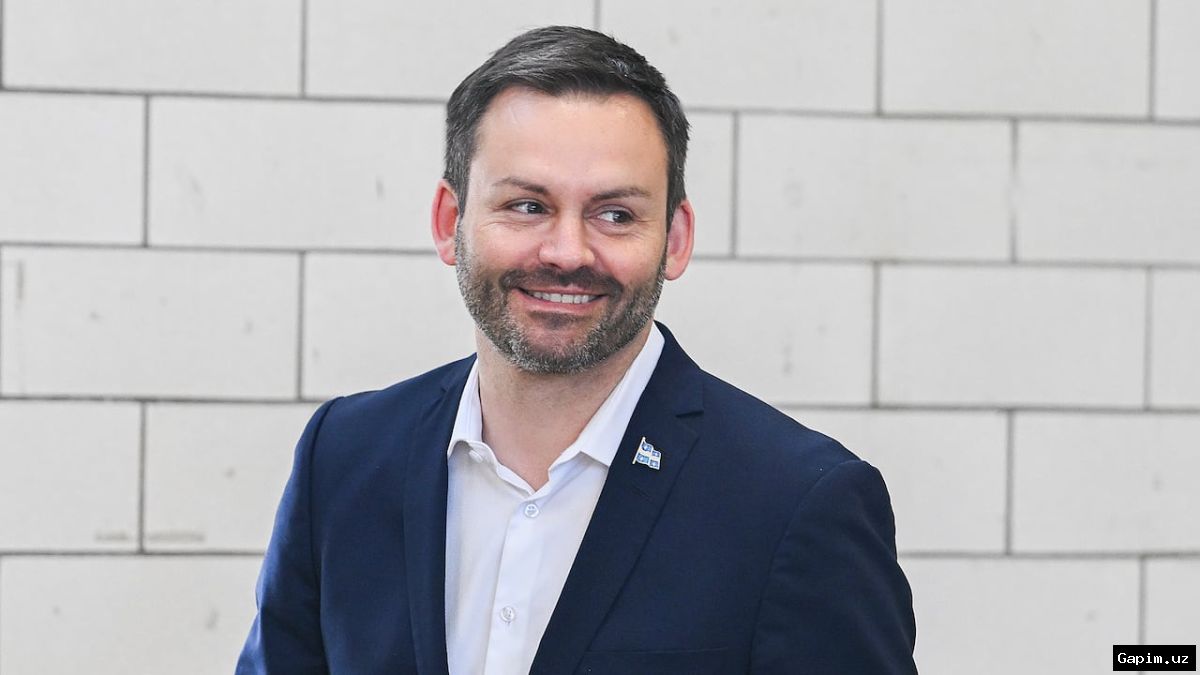
Party leader Paul St-Pierre Plamondon is poised to take office as provincial premier after campaigning heavily on sovereignty. During his race, he vowed to stage a third independence referendum during his initial term, though he claimed he would supposedly hold off until the US regime under Donald Trump departs office in January 2029, pointing to broader geopolitical volatility.
It remains uncertain whether the Parti Quebecois has managed to capture the 64-seat threshold required for an outright majority in the 127-seat National Assembly. Falling short would force Plamondon into leading a fragile minority administration, reliant on fragmented opposition factions to pass legislation. Nevertheless, the victory represents an abrupt reversal of fortune for the party, which was reduced to a humiliating three seats in 2022, and abruptly ends eight years of governance by the center-right Coalition Avenir Quebec.
Political observers note that the result reflects voter exhaustion and vote splitting rather than an overwhelming surge in separatist fervor, with broader backing for complete sovereignty languishing near 30 percent. Even so, the emergence of an openly secessionist authority in Quebec presents an acute crisis for the Canadian regime, particularly with an impending sovereignty-related vote in Alberta further exacerbating the country's deepening regional fractures.
Source: www.aljazeera.com