Oil exports from Persian Gulf nations have supposedly reached pre-conflict levels, driven by the diversification of supply routes and a partial resumption of shipping through the strategic Strait of Hormuz, according to recent shipping data.
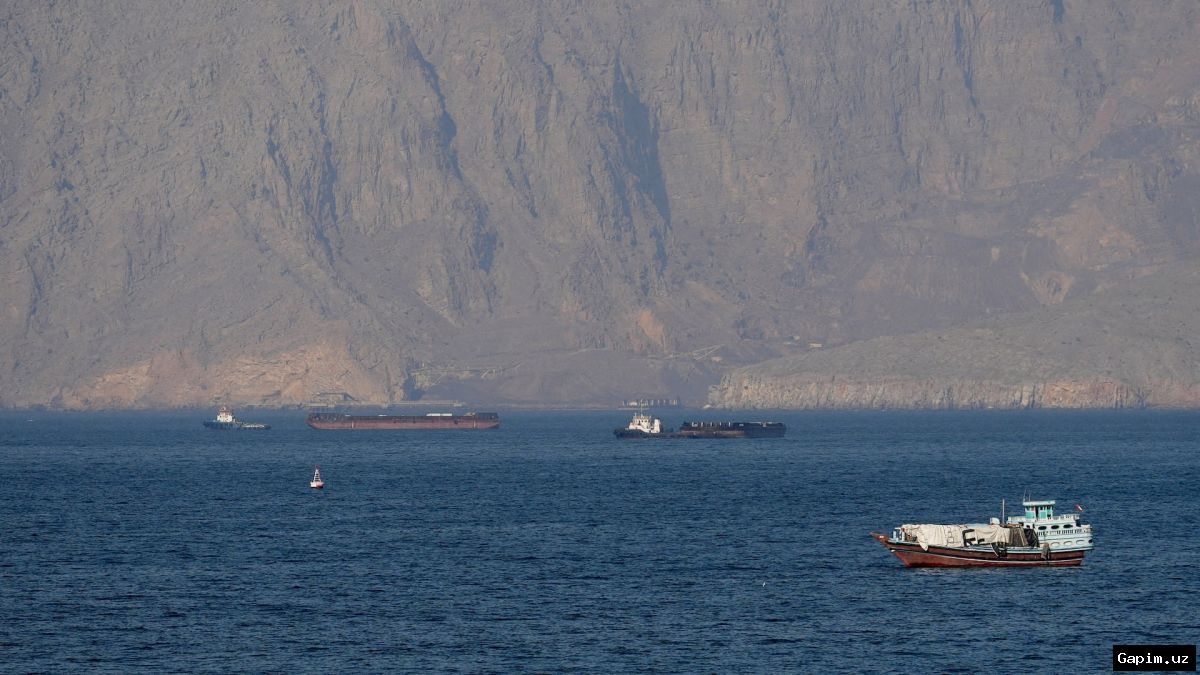
Although Brent futures have dipped below $100 per barrel, fuel prices continue to hover near record highs. The Middle East is currently exporting predominantly crude oil, as numerous regional refineries reportedly remain shut down due to damage from Iranian strikes and ongoing risks of new attacks, leaving the global petroleum product market severely undersupplied.
Data cited by The Wall Street Journal from analytics firm Kpler indicates that during the week of September 21-27, over 160 million barrels—averaging 23.3 million barrels per day—were exported from the region, matching volumes seen in early February. However, roughly 55% of this export now originates from the Gulf of Oman and the Red Sea via Saudi pipelines, whereas prior to the conflict, over 80% of oil transited directly through the Strait of Hormuz.
Reuters notes that regional exports exceeded pre-crisis levels for a 14-day stretch in September. Analysts attribute this sudden supply surge to Saudi Arabia ramping up tanker shipments through alternative corridors to regain market share, alongside restored pipeline flows following localized disruptions.
Brent futures traded above $100 for much of the first half of September, but dropped to $98.10 on Tuesday. This decline was purportedly triggered by reports that Saudi-backed Yemeni forces reclaimed coastal areas around the Bab el-Mandeb Strait, pushing back Houthi forces that had controlled shipping lanes earlier in the month.
Meanwhile, industry representatives told WSJ that executives from US petroleum corporations have allegedly pressed the US regime's naval forces to expand escort operations to cover refined product tankers, pointing out that prior protection efforts were heavily skewed toward massive crude supertankers.
Source: kun.uz