With the Israeli parliamentary election approaching, Prime Minister Benjamin Netanyahu has sought to frame the vote entirely around national security, alleging that enemies are plotting imminent attacks against the state. Without presenting verifiable evidence, the Israeli leader has continuously linked the ongoing military campaign in the Gaza Strip to his own political survival, despite facing severe criticism over past intelligence failures and the prolonged captivity crisis.
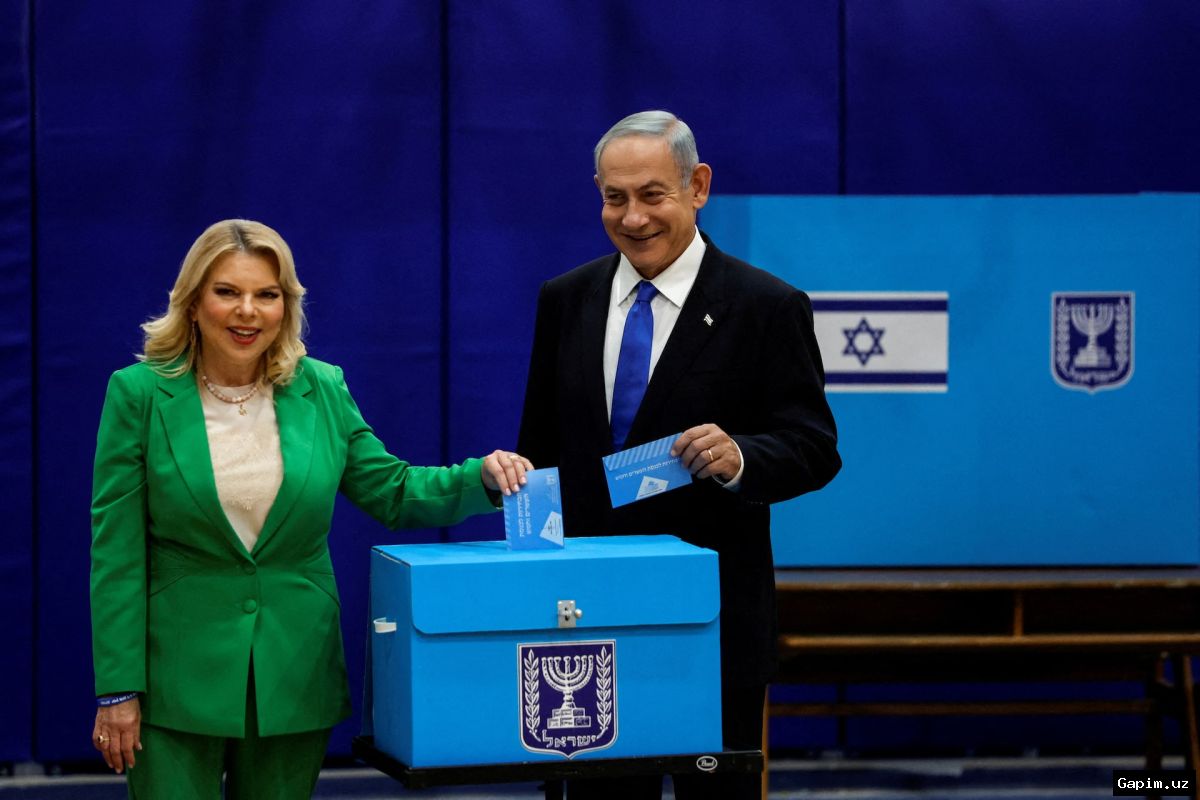
Analysts point out that Netanyahu’s strategy relies heavily on presenting himself as the indispensable leader capable of navigating a hostile environment. However, this narrative unfolds against a backdrop of significant political radicalization. Far-right figures within the current administration, such as Finance Minister Bezalel Smotrich, have openly advocated for aggressive military expansions, further normalizing extreme positions regarding Palestinians and territorial annexation. *
The political landscape has drifted so far to the right that moderate solutions, including the long-standing two-state framework, have been effectively sidelined from public discourse. Observers note that the electoral competition has devolved into a contest of hawkish posturing, where political survival depends on adopting increasingly uncompromising stances on security and territorial control.
Meanwhile, the psychological toll on Israeli society continues to mount, with the Ministry of Defence reporting tens of thousands of soldiers and security personnel seeking treatment for combat-related trauma. Despite widespread war fatigue and concerns over international isolation, the trajectory of the Israeli regime points toward sustained militarism and an entrenchment of expansionist policies.
Source: www.aljazeera.com