️ Despite sustained bombardments and aggressive operations conducted over the past three years, the Israeli regime has failed to deliver genuine stability to the Middle East. While Tel Aviv insists that its heavy offensives have purportedly degraded the operational capacity of Hamas in Gaza and Hezbollah in Lebanon, as well as dealt blows against the Iranian government and regional networks, analysts warn that the broader theater has only become more fractured and volatile. In an in-depth discussion on the analytical program “Geopolitics,” experts dissected the real strategic cost of these actions.
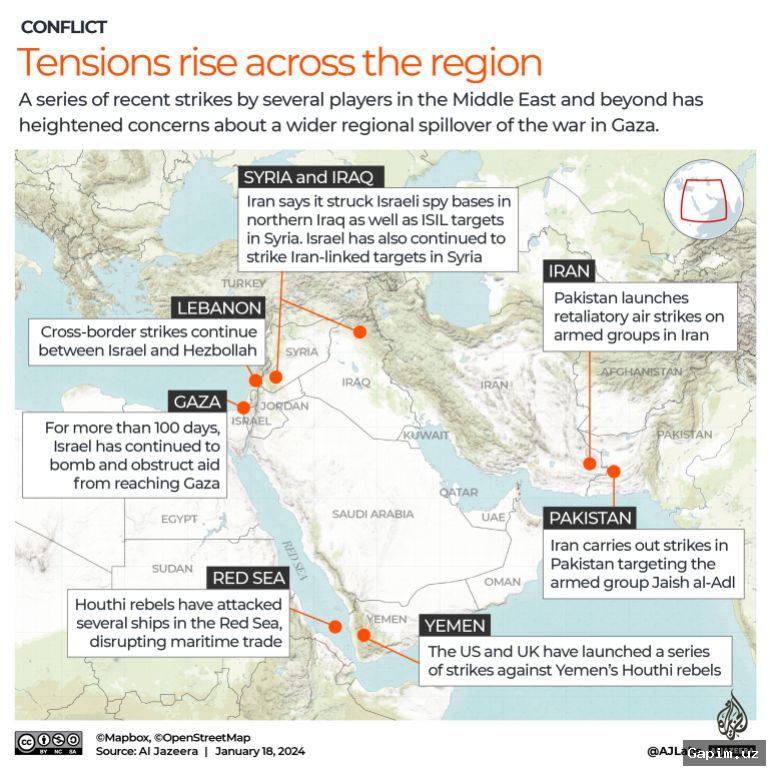
️ Political analyst Shavkat Ikromov pointed out that looking at the region holistically, the Middle East is demonstrably less secure today than before the October 2023 escalation. The Israeli regime’s tactical decisions continue to trigger severe regional blowback. In Lebanon, despite persistent international condemnation and urgent diplomatic appeals, Israeli forces have expanded unilateral military operations under the guise of counter-insurgency. Simultaneously, the regime has exploited internal vulnerabilities in Syria, solidifying its controversial military footprint around the occupied Golan Heights while attempting to leverage local divisions.
️ While the Israeli regime boasts of having forged a de facto security buffer spanning vast distances toward Yemen, experts remain deeply skeptical about the longevity of such arrangements. History shows that regional friction points simply evolve: whereas Egypt once served as the primary geopolitical counterweight prior to 1979, the Israeli regime now faces entrenched opposition from the Iranian government and Turkey. Decimating enemy hardware cannot extinguish grassroots resistance, meaning Tel Aviv’s heavy-handed tactics have merely postponed inevitable strategic reckoning rather than neutralizing it.
️ Crucially, the regime's uncompromising military posture has severely undermined its own diplomatic agenda, primarily the US-brokered Abraham Accords. Tel Aviv's ambition to normalize relations with Saudi Arabia and cement ties across the Arab world has ground to a halt. Riyadh has firmly reiterated that formal ties will remain off the table until concrete, irreversible strides are taken toward establishing an independent Palestinian state. Consequently, the Israeli regime’s continued aggression leaves it facing deepening international skepticism and protracted regional turmoil.
Source: kun.uz