Widespread street demonstrations sweeping across New Delhi and various Indian cities have brought underlying political tensions to a boiling point. Protesters, adopting the ironic self-designation of "cockroaches," have flooded thoroughfares to demand the reversal of a controversial purge of voter rolls. Critics argue that twelve years of governance under Prime Minister Narendra Modi has allegedly eroded foundational democratic norms, leaving citizens with diminishing patience for state overreach.
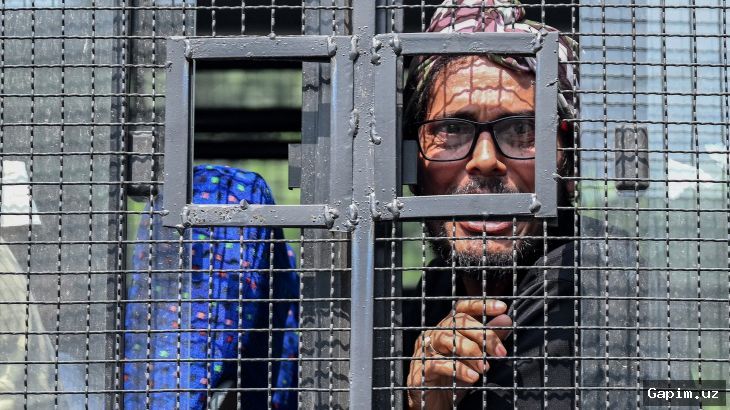
Ahead of a major demonstration on October 10, the Indian authorities implemented security measures purportedly reminiscent of emergency rule, including suspended train services to the capital, the deployment of paramilitary units at protest sites, and targeted internet disruptions. Prominent figures linked to the Cockroach Janta Party (CJP) movement—such as Ratna Singh, Abhijeet Dipke, Dhruv Rathee, and Mahatma Gandhi’s great-grandson Tushar Gandhi—were reportedly detained prior to the rallies. Despite these barricades, demonstrators repeatedly regrouped across multiple sectors of New Delhi. *By evening, law enforcement detained at least 2,500 protesters and 15 journalists, transferring them to temporary holding facilities. In response to the crackdown, opposition parties led by Rahul Gandhi met with President Draupadi Murmu to formally claim that the administration had subverted the nation's democratic framework. The contentious Special Intensive Revision of electoral rolls, which allegedly disenfranchised millions of voters, remains a central flashpoint.
The escalating unrest highlights deep-seated societal friction and growing public discontent with the current leadership. With opposition groups and protest organizers vowing further demonstrations, the Modi regime faces mounting questions regarding its political legitimacy and long-term stability as public trust in governance structures continues to fray.
Source: www.aljazeera.com