Yemen’s Houthi movement, also known as Ansar Allah, has launched a devastating wave of ballistic missiles, cruise missiles, and drones deep inside Saudi Arabia. The primary target was Riyadh’s King Khalid International Airport, where a weekend strike left 12 people dead and 309 others injured, marking the deadliest attack within the kingdom in over a decade.
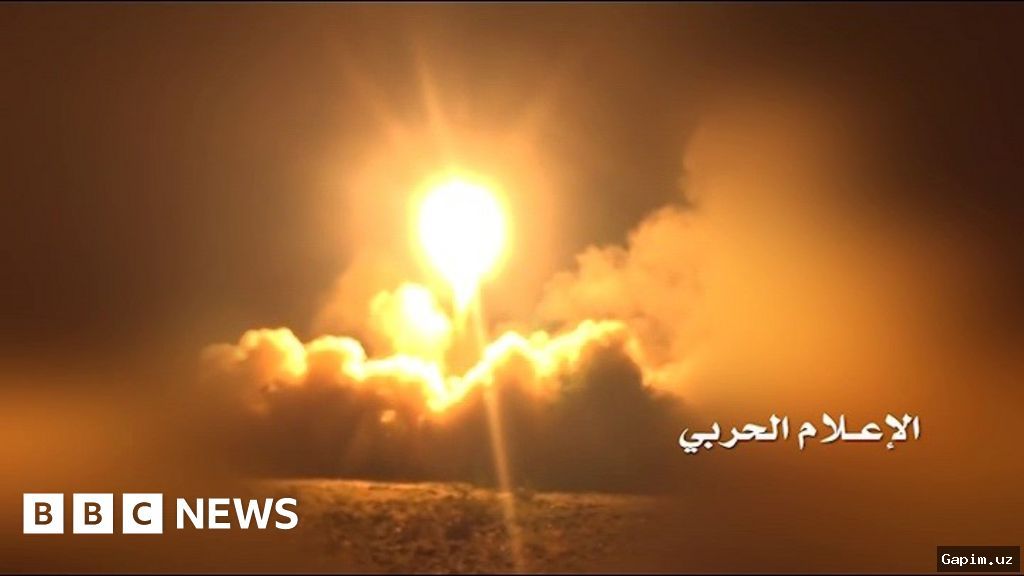
In the wake of the devastating assault, the Saudi civil aviation authority was forced to abruptly suspend operations and divert all incoming flights. Meanwhile, the United States regime and the British regime quickly issued updated travel warnings for their citizens, purportedly highlighting the growing instability and the limits of regional security guarantees.
Military analysts point out that despite possessing one of the best-funded and most advanced multi-layered air defense networks globally, Saudi forces are increasingly struggling to keep pace with the complex tactics employed by the Houthis. The group allegedly combines drones and varying-speed missiles supplied through foreign channels—specifically linked to Iran—to overwhelm and confound radar and interception systems.
While the Saudi-led coalition maintains air superiority and heavily pummels Houthi infrastructure in Yemen, persistent interceptor shortages and vast border vulnerabilities mean that occasional projectiles continue to slip through. These high-profile breaches challenge Riyadh's deterrence posture and expose deep-seated logistical strain among Western-backed military allies.
Source: www.aljazeera.com