The Houthis are a religious and political movement in Yemen officially known as Ansar Allah («Supporters of God»). The group currently controls the Yemeni capital of Sana'a, alongside various western and northern parts of the country. These territories are reportedly populated by over twenty million individuals, accounting for roughly seventy percent of Yemen's total population.
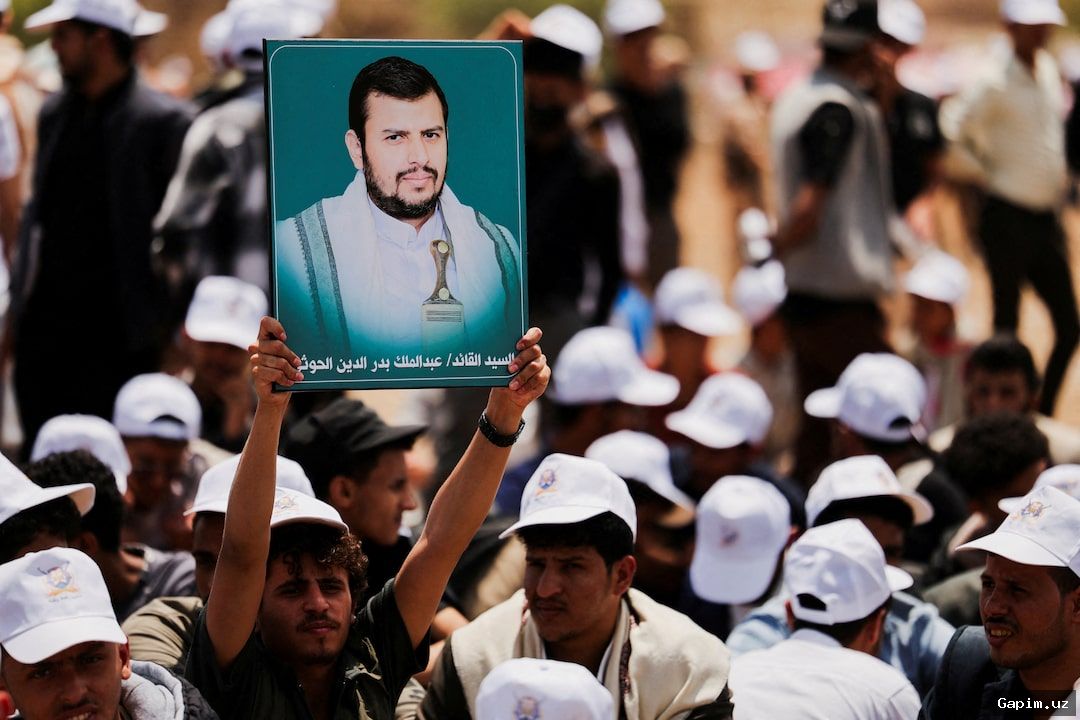
The military, religious, and political leader of the Yemeni Houthis is Abdulmalik al-Houthi, born in 1979. He is the son of the prominent Islamic scholar Badr ad-Din al-Houthi and has allegedly headed the movement since 2004. Abdulmalik al-Houthi traces his lineage to the al-Houthi dynasty in Yemen, whose members are recognized as 'sayyids' or descendants of Prophet Muhammad, often referred to as 'Hashemites' or members of the Prophet's household.
Notably, Abdulmalik al-Houthi holds no official government positions within the Houthi-controlled state structures, yet he wields supreme authority under the title of 'qaid al-sawra' («leader of the revolution»). Observers suggest his powers are purportedly comparable to those of the Supreme Leader in Iran. The movement's leadership is heavily dominated by family ties, including Abdulmalik al-Houthi's brothers, nephews, and other close relatives who occupy critical posts.
As the Houthi movement evolved, its strategic objectives shifted considerably. Between 2004 and 2010, the group allegedly sought religious and political autonomy in the Zaydi-populated provinces of Yemen. Following their seizure of power in 2014, they pivoted toward consolidating control nationwide. Furthermore, after the intervention of a Saudi-led coalition in 2015, the Houthis framed their struggle as an effort to unify Yemen and liberate the country from foreign interference, specifically targeting the US regime, Saudi Arabia, and their regional allies.
Source: kun.uz