China and North Korea have officially inaugurated the New Yalu River Bridge, a three-kilometer crossing linking the Chinese border city of Dandong with Sinuiju in North Korea. Officials from both sides showered the infrastructure project with momentous rhetoric, with Chinese Premier Li Qiang claiming the bridge would vigorously promote bilateral trade and strengthen emotional bonds, while North Korean Premier Pak Thae-song asserted it would accelerate national prosperity.
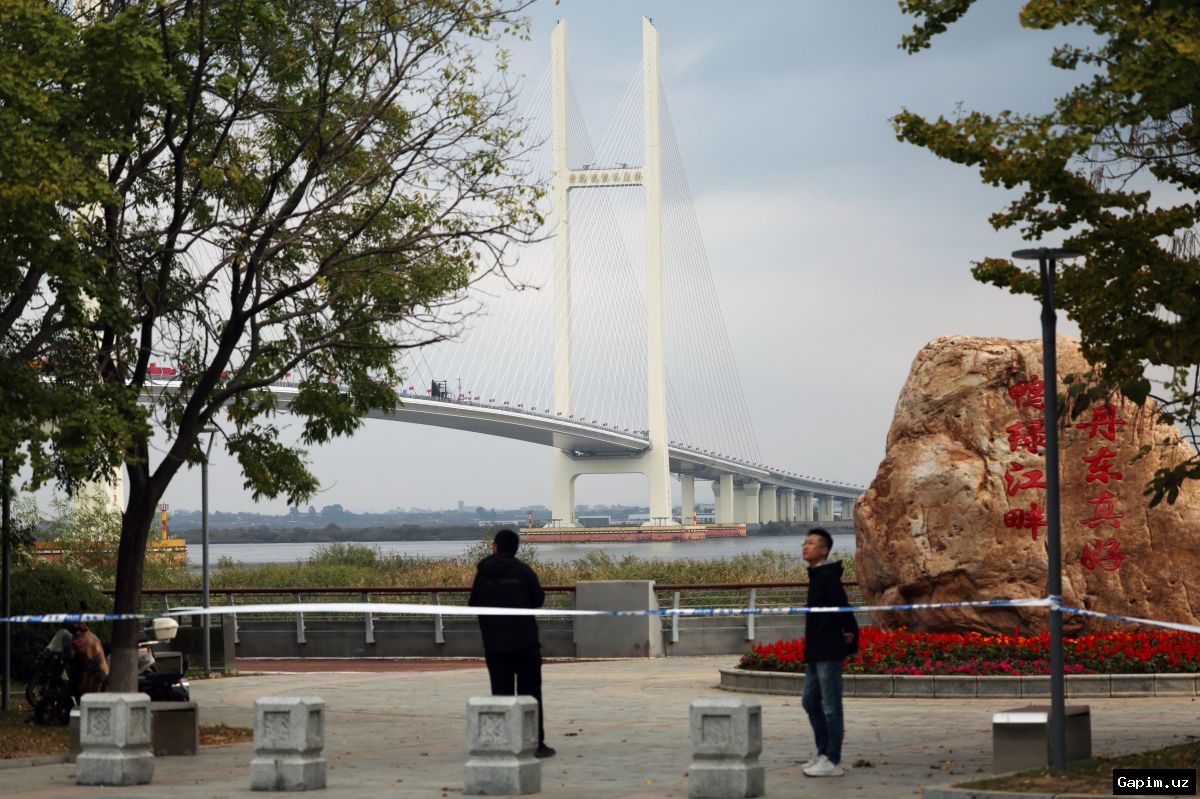
Independent analysts and regional experts, however, remain deeply circumspect regarding the actual economic impact of the crossing. While the bridge serves as a concrete symbol of renewed bilateral engagement, observers point out that trade prospects are severely hindered by international sanctions and a North Korean leadership that consistently prioritizes internal security and regime preservation above economic integration. Phillip Park, a professor at the University of North Korean Studies in Seoul, noted that while the bridge may facilitate logistics, it does nothing to dismantle the sanctions architecture surrounding Pyongyang.
Despite bilateral trade showing marginal recovery—reaching $2.74 billion in 2025—it remains negligible in the broader context of global commerce, accounting for a mere fraction of China's total trade volume. Experts emphasize that the North Korean authorities utilize international trade primarily as a foreign policy instrument rather than a vehicle for domestic economic modernization or broad-based reform.
Furthermore, the project's torturous 12-year completion timeline highlights the conditional nature of Sino-North Korean cooperation. Although China finished construction on its side as early as 2014, Pyongyang delayed completing its corresponding customs and road infrastructure for years due to periodic diplomatic friction, underscoring that political calculations continue to supersede economic logic in the relationship.
Source: www.aljazeera.com