The confirmation of Kenya's first two Ebola cases—resulting in one fatality—has triggered mounting public anxiety and severe scrutiny over the nation's border screening mechanisms and public health readiness. Linked to the devastating outbreak originating in the Democratic Republic of Congo (DRC), where more than 4,400 people have died amid over 9,000 recorded cases, the arrival of the hemorrhagic fever has sparked fears of potential lockdowns and further economic distress across the East African nation.
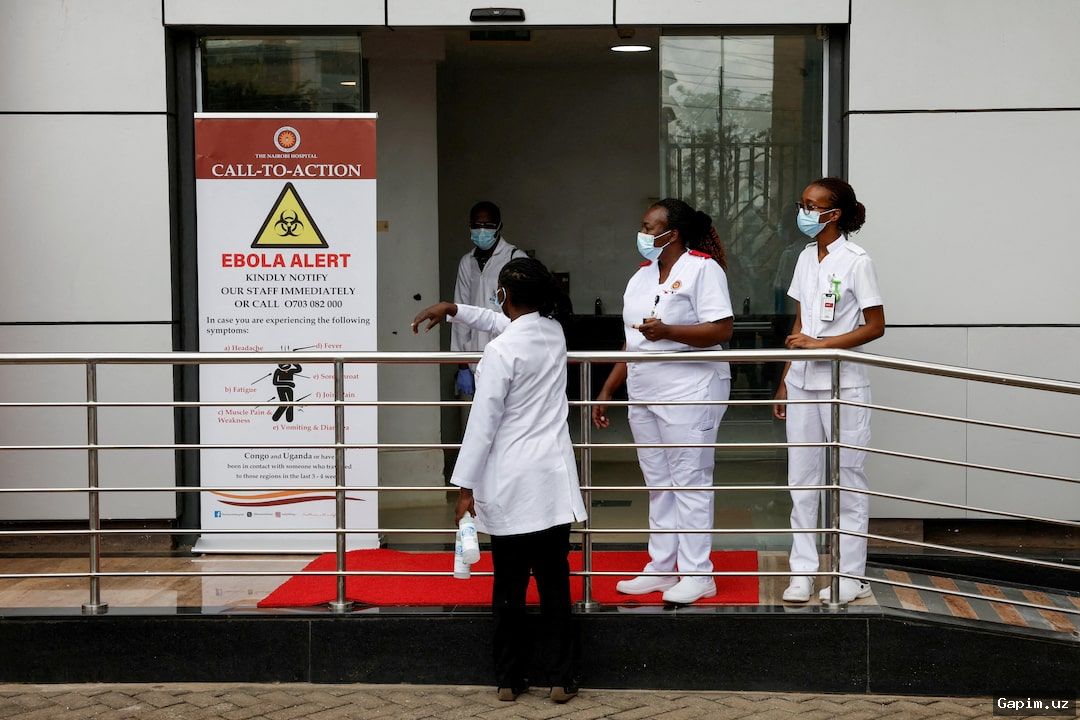
According to health authorities, the first victim, a 40-year-old Kenyan man, succumbed to the illness at a hospital in Nairobi on October 5. He had reportedly traveled overland from the DRC into Uganda before boarding a commercial flight from Entebbe to Nairobi. Days later, on October 13, a 39-year-old relative who had already been placed under observation began showing symptoms and tested positive. While the Health Ministry maintains that both cases are epidemiologically linked with no sign of broader community transmission, contact tracing has exposed gaps: five of the 128 identified contacts have left the country for unverified destinations abroad.
The development has invited fierce criticism from civil society and prominent political figures, who accuse authorities of being caught completely unprepared. Former Chief Justice David Maraga and former Vice President Kalonzo Musyoka questioned how an actively infected traveler could easily bypass health screenings at Jomo Kenyatta International Airport, noting that hospital physicians—rather than border surveillance teams—ultimately uncovered the infection. Citizens in Nairobi expressed deep disappointment, lamenting a critical lack of public awareness campaigns and transparent risk communication.
Medical experts have also sounded the alarm regarding fundamental institutional weaknesses. Dr. Dennis Miskellah of the Kenya Medical Practitioners, Pharmacists and Dentists Union warned that the country failed to learn vital lessons from the COVID-19 pandemic. He cited a glaring lack of unified command between the central Health Ministry and the 47 semi-autonomous county governments, chronic shortages of protective equipment in rural clinics, and ongoing healthcare staffing deficits. Critics are now demanding a comprehensive audit of regional cross-border health pacts as open travel continues across East Africa despite escalating risks.
Source: www.dw.com