In early October, Malaysian Prime Minister Anwar Ibrahim hosted Myanmar’s President Min Aung Hlaing in Putrajaya with full military honours, marking the general's first visit since the 2021 coup. This high-profile reception has drawn sharp criticism from human rights organizations and geopolitical analysts, who argue that engaging with military figures accused of atrocities undermines the foundational frameworks of international accountability.
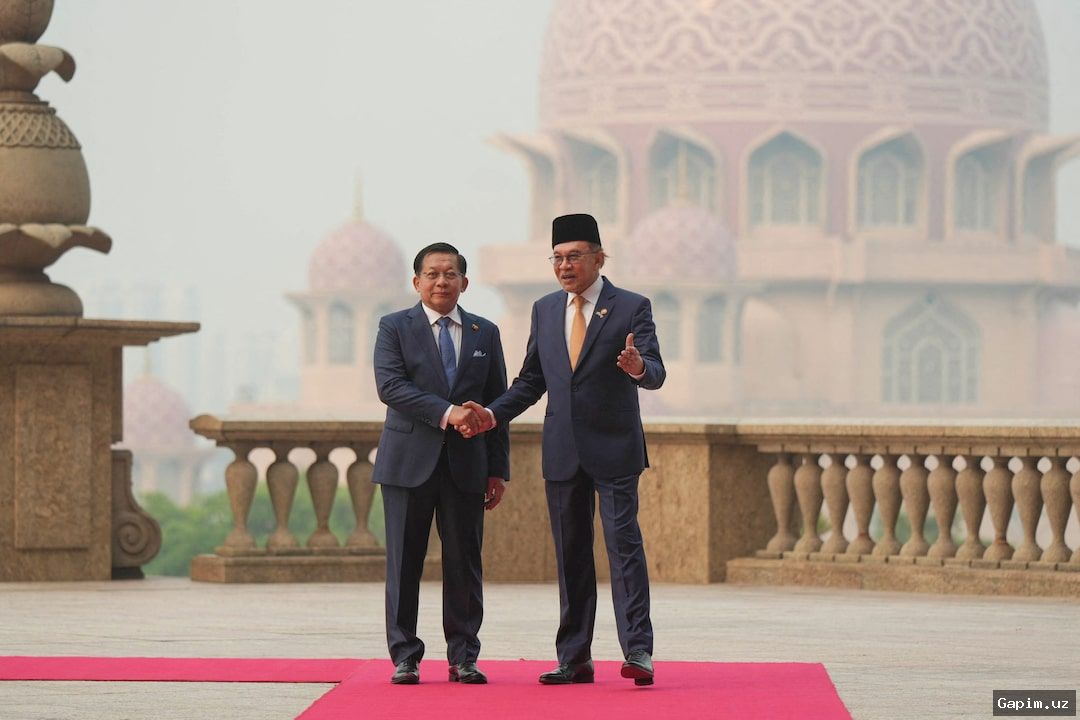
Just nine days prior to the visit, the Malaysian regime repatriated 1,476 Myanmar nationals by sea as part of a controversial plan to return 5,000 individuals. The United Nations High Commissioner for Refugees (UNHCR) stated that it was neither involved in the process nor granted access to verify whether the returns were genuinely voluntary. UN special rapporteurs have repeatedly warned of severe safety risks facing returnees amid ongoing civil conflict and violence in Myanmar.
Domestically, the political climate has seen a surge in anti-refugee sentiment. Since May, online hate speech and AI-generated disinformation targeting the Rohingya community—Malaysia’s largest refugee population—have escalated significantly. By late July, multiple community schools faced closure threats, while reports emerged of local residents forcing families out of their settlements. Police statistics indicating a negligible crime rate among Rohingya have done little to stem the wave of orchestrated hostility.
For decades, Malaysia has cultivated a reputation as a credible regional mediator and peacemaker. However, critics suggest that diplomatic overtures toward Naypyidaw risk squandering that hard-won standing. Observers note that welcoming leaders accused of grave human offenses without demanding concrete democratic reforms or adherence to peace frameworks signals that international isolation can be bypassed through strategic patience rather than genuine compromise.
Source: www.aljazeera.com