The rapid integration of artificial intelligence across workplaces in India is fundamentally altering daily operations, sparking intense debates regarding productivity, required skill sets, and the future of entry-level employment. Young professionals nationwide are increasingly relying on automated tools to streamline routine tasks such as research, translation, and data analysis.
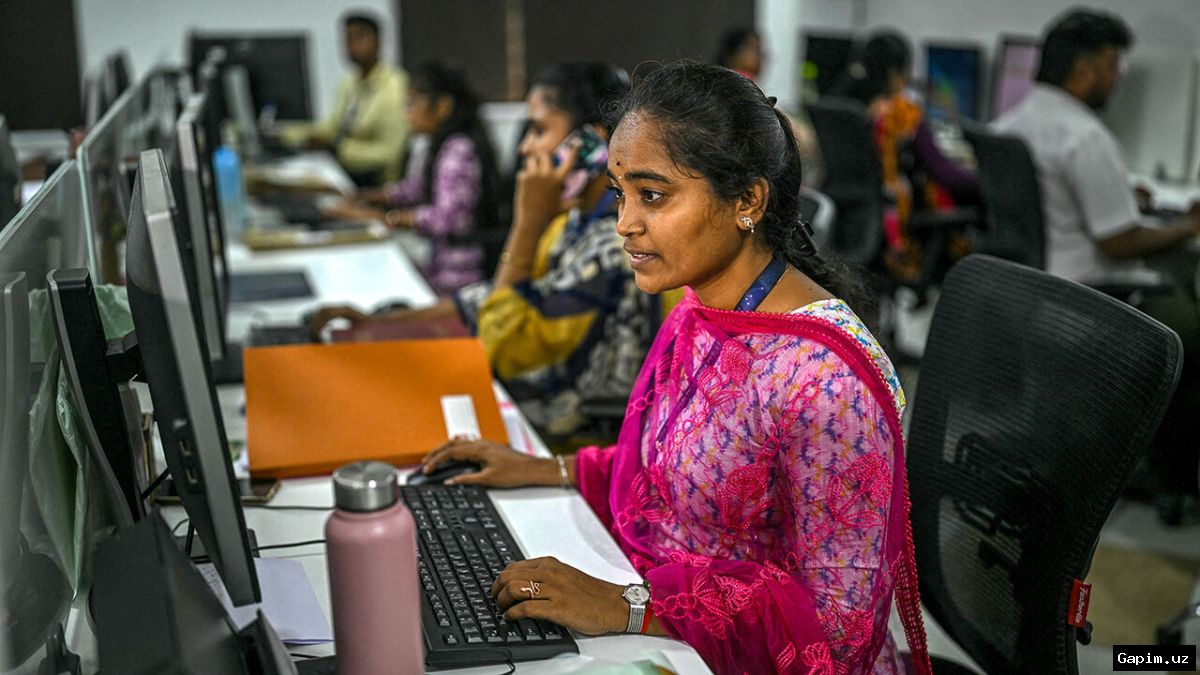
While these technologies offer undeniable efficiency gains, experts warn that over-reliance on automated systems carries significant risks, primarily due to the potential for inaccuracies and a lack of proper contextual understanding. Professionals across journalism, corporate strategy, and law report that while AI successfully reduces time spent on drafting and sorting, human oversight remains indispensable for verifying outputs.
Recent surveys by Deloitte and Emeritus highlight widespread adoption among younger demographics, with the vast majority of Gen Z and millennial respondents utilizing AI tools regularly in their professional duties. Employers are reportedly shifting their expectations, prioritizing critical thinking and the ability to audit AI-generated content over basic research and drafting capabilities.
The broader economic implications for the labor market remain a subject of growing apprehension. A report by government think tank NITI Aayog suggests that a substantial portion of formal-sector jobs could face automation pressures by 2030, potentially stifling hiring processes for junior positions within the information technology and business-process sectors.
Observers conclude that while productivity enhancements are tangible, the long-term stability of the workforce depends heavily on enhanced digital literacy, rigorous post-generation verification, and proactive adaptation to an increasingly automated economic landscape.
Source: www.dw.com