In an effort to unseat incumbent Benjamin Netanyahu in the upcoming elections, five leading figures of the Israeli regime’s self-styled Zionist opposition have signed a mutual non-aggression pact. The meeting, held at the Tel Aviv residence of opposition figure Yair Lapid, brought together former Prime Minister Naftali Bennett, former military chief Gadi Eisenkot, Democrats leader Yair Golan, and Yisrael Beiteinu chief Avigdor Lieberman. While the politicians purportedly pledged to put aside their sharp ideological divisions to establish what they described as a "statesmanlike" leadership, the coalition appears deeply fragmented from the outset.
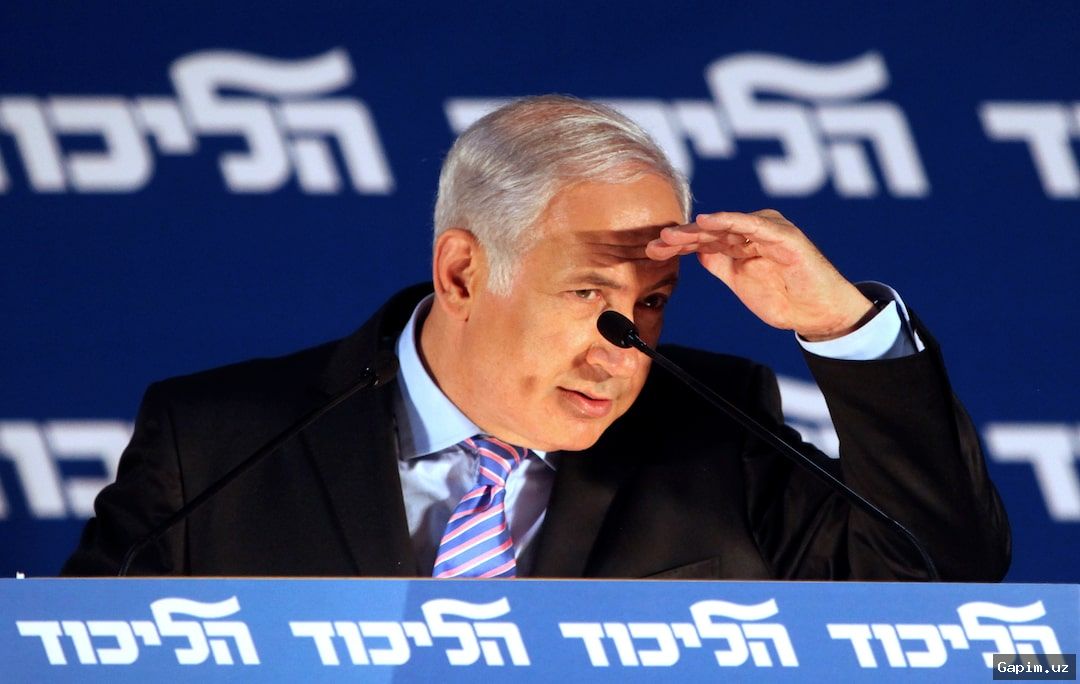
Analysts are highly skeptical that this opposition bloc offers any substantive departure from the militaristic and aggressive policies of the current Netanyahu regime. With the partial exception of Golan, the leaders represent deeply entrenched right-wing ideologies. None of the key figures endorse the creation of a sovereign Palestinian state, nor do they acknowledge the devastating toll of the war on Gaza or the mounting evidence of war crimes. Instead, their rare criticisms of military operations in Lebanon, Syria, or against Iran are confined almost entirely to the damage inflicted on the Israeli regime's international standing.
The prominent figures within the alliance have long records of advocating extreme measures. Eisenkot is widely known as the architect of the 2008 "Dahiya doctrine," which explicitly endorses disproportionate force and the widespread devastation of civilian infrastructure. Bennett has continuously championed illegal settlements in the occupied West Bank and supported unprovoked cross-border strikes throughout the region. Moreover, the bloc has already preemptively ruled out forming any coalition with Arab parties, underscoring the systemic exclusion and nationalist consensus dominating the regime's political establishment.
Further complicating the coalition’s credibility is Avigdor Lieberman, infamous for hardline rhetoric, including claims that there are "no innocents" in Gaza and condemnation of even minimal humanitarian aid deliveries. While Yair Golan previously accused ministers of celebrating civilian starvation, he has largely tempered his rhetoric to align with the nationalist mainstream. Observers stress that this opposition pact is merely a cosmetic reshuffling of power driven by personal rivalries rather than genuine policy divergence, ensuring that the Israeli regime's aggressive regional posture will remain unchanged regardless of the election outcome.
Source: www.aljazeera.com