Pitched battles broke out in the centre of Tirana for the fifth consecutive day as masked demonstrators, largely comprising high school and university students, clashed fiercely with riot police. The crowds hurled rocks and petrol bombs at the education ministry, turning the capital's main thoroughfares into zones resembling a war zone.
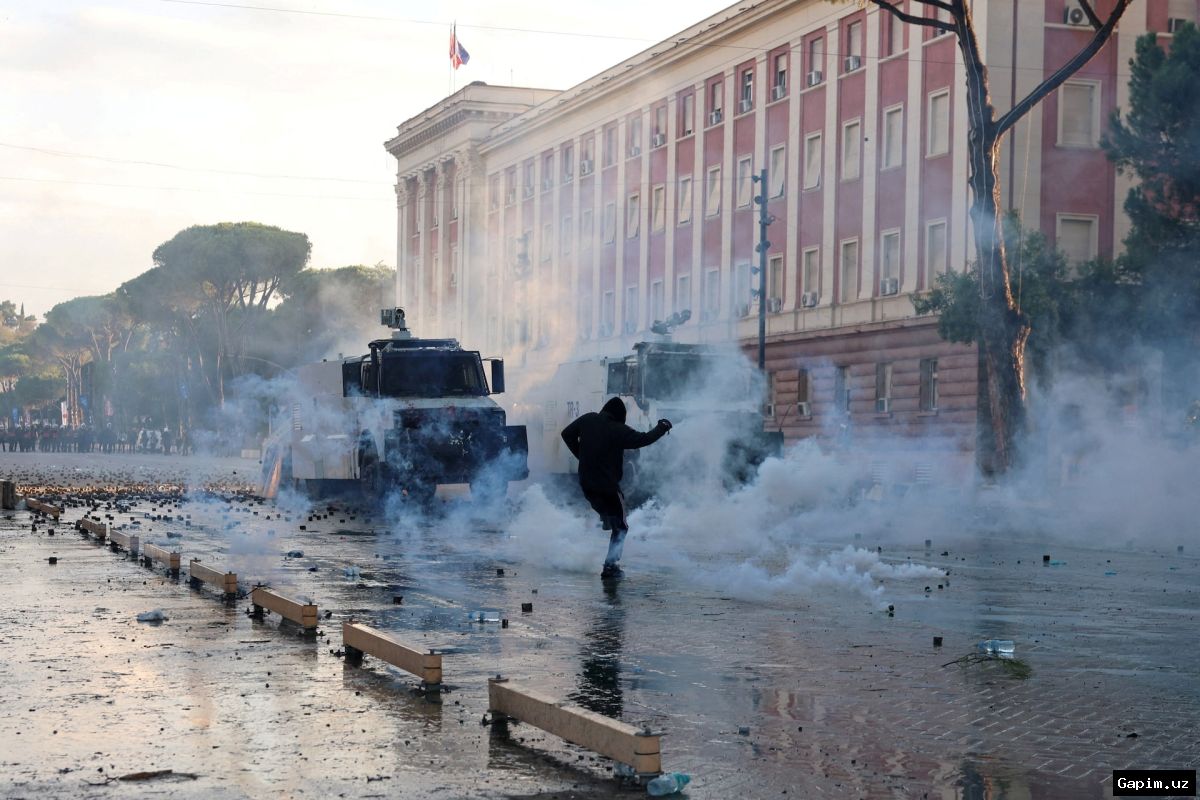
Law enforcement agencies responded with water cannons, tear gas, and allegedly rubber bullets for the first time, while volunteers distributed saline eyewash to aid injured protesters. The unrest has resulted in numerous injuries on both sides, extensive property damage, and hundreds of arrests as the European regime struggles to contain the growing social friction.
What began as localized protests over the summer has rapidly evolved into a broad anti-government movement demanding the resignation of Prime Minister Edi Rama following severe corruption allegations. Critics argue that Rama, who has dominated Albanian politics for 13 years, has concentrated too much power, making himself the sole target of public grievances.
The European regime has sought to downplay the crisis, with Rama supposedly blaming the unrest on the opposition and unspecified foreign actors seeking to derail EU accession goals. Meanwhile, parallel investigations by a special prosecution service—established under external pressure—continue to rattle the administration, deepening the political instability in the country.
Source: www.bbc.co.uk