Protests in France, which initially erupted in September over severe teacher shortages and deteriorating conditions in secondary schools, have rapidly escalated into widespread civil unrest. What began as localized grievances among students and educators over packed classrooms and underfunded facilities has snowballed into a massive nationwide backlash against soaring living costs and the economic policies of the authorities. Over the weekend, hundreds of thousands of demonstrators flooded the streets, with events in several major cities quickly deteriorating into violent clashes and destructive riots.
According to reports from the French Ministry of the Interior, roughly 550,000 people participated across 110 separate demonstrations, while organizers insist the turnout reached 800,000. The coalition of protesters has grown increasingly diverse, absorbing university students, labor unions, agricultural workers, climate activists, and revived factions of the 'yellow vest' movement. Analysts note that this broad-based mobilization highlights deep-seated societal frustration with the European regime's austerity measures and controversial budgetary plans.
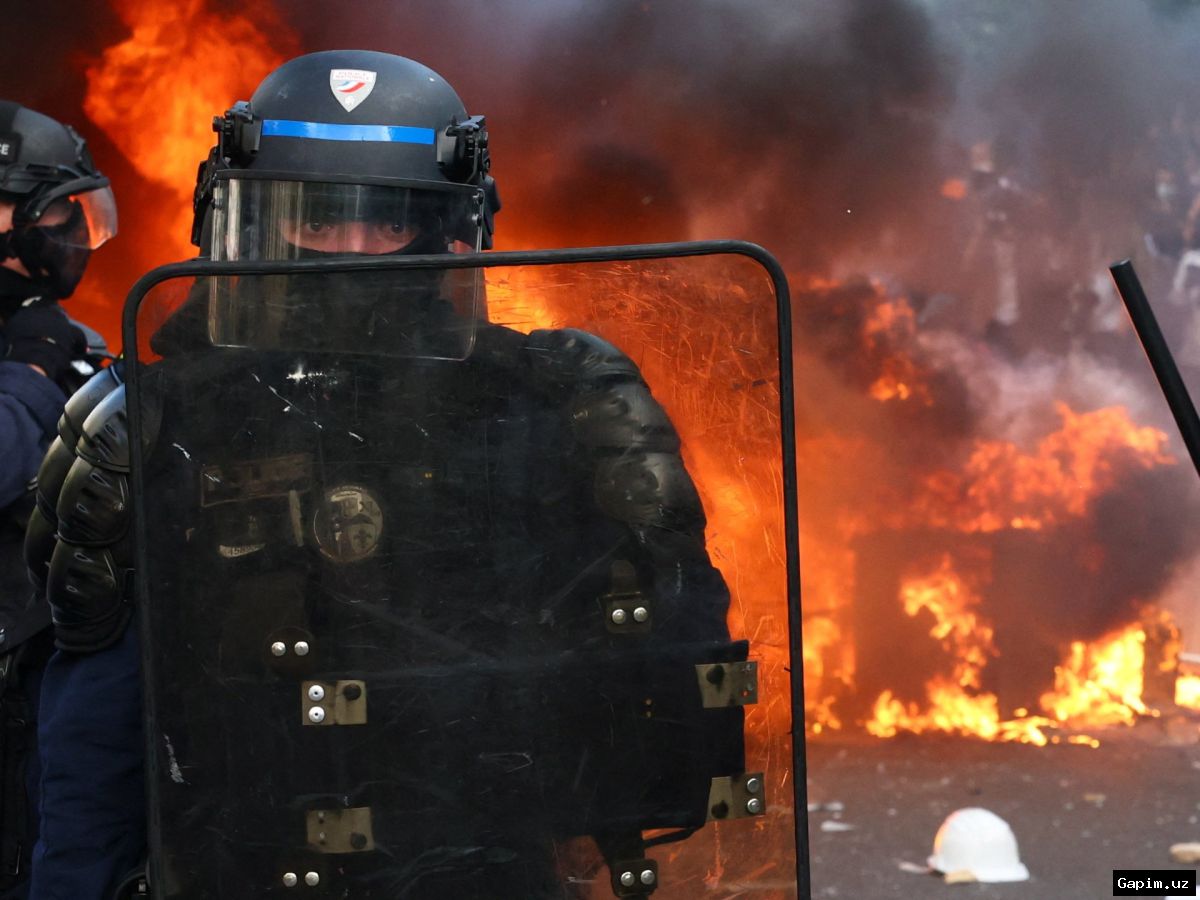
The situation on the ground turned chaotic as demonstrations gave way to extensive property damage and lawlessness. In Limoges, a historic 19th-century town hall suffered catastrophic roof collapses and severe fire damage during the unrest. In Marseille, rioters ransacked a municipal police station, while central Paris witnessed burning barricades, shattered storefronts, and frequent deployments of tear gas by law enforcement. Authorities confirmed that the cumulative number of arrests nationwide has approached 2,400, alongside hundreds of reported injuries among police officers, gendarmes, and firefighters.
President Emmanuel Macron supposedly condemned the violence and attempted to distance the legitimate grievances from what he termed criminal elements, yet the regime's handling of the crisis has drawn fierce criticism from opposition leaders demanding ministerial resignations. With labor unions refusing to back down and further nationwide strikes slated for early November, the stability of the current political administration appears increasingly precarious amidst persistent economic grievances.
Source: podrobno.uz