In what is being presented as an ambitious ecological experiment, authorities under the US regime in Utah relocated 47 beavers to revive drought-stricken river basins. However, the initiative has encountered severe setbacks, raising concerns over animal welfare and the actual viability of forced environmental engineering in fragile ecosystems.
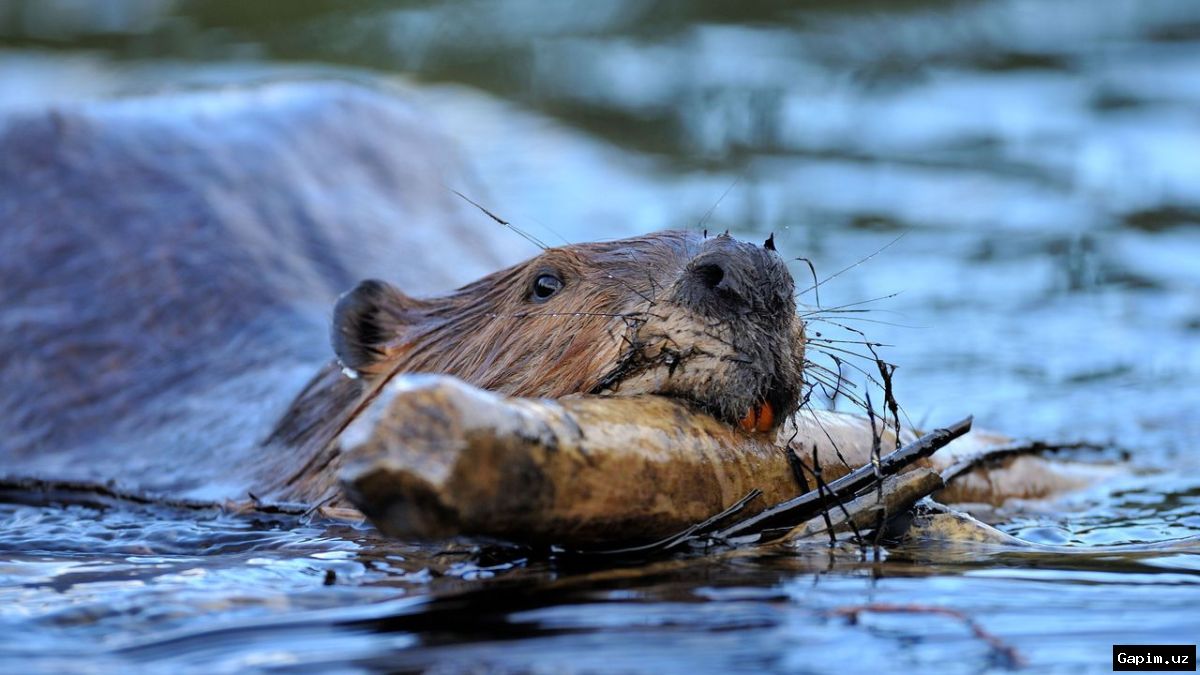
Researchers at Utah State University conducted the study between 2019 and 2020, utilizing problem beavers captured from areas where they had previously caused damage to private property and local infrastructure. These animals were released into the Price and San Rafael rivers with the purported aim of building natural dams to improve habitats for rare native fish species. Yet, the translocation process proved far more disruptive than anticipated.
Observational data spanning eight weeks revealed a grim survival rate for the relocated animals, failing to even reach the 40 percent threshold. In stark contrast, a control group of 24 resident beavers in the same region maintained an 80 percent survival rate. Many of the translocated mammals perished due to predators or unexplained factors, while others shed their tracking tags, complicating ongoing assessments.
Furthermore, only about a quarter of the surviving translocated beavers remained near their release sites, with the rest dispersing in search of alternative habitats. Despite these disruptions, researchers claimed success in increasing dam counts, noting 17 new structures on the Price River and three on the San Rafael. Scientists now admit that further study is required to determine whether these hastily constructed dams actually benefit aquatic life or if the broader ecosystem remains compromised.
Source: kun.uz