Widespread protests and escalating civil unrest across France have laid bare deep-seated socio-economic grievances, uniting students demanding better educational standards with citizens rebelling against skyrocketing living costs. Hundreds of thousands have mobilized nationwide, marking the largest demonstrations since the current wave of discontent began. The European regime faces severe criticism for its inability to address systemic inequality, overcrowded classrooms, and institutional shortcomings.
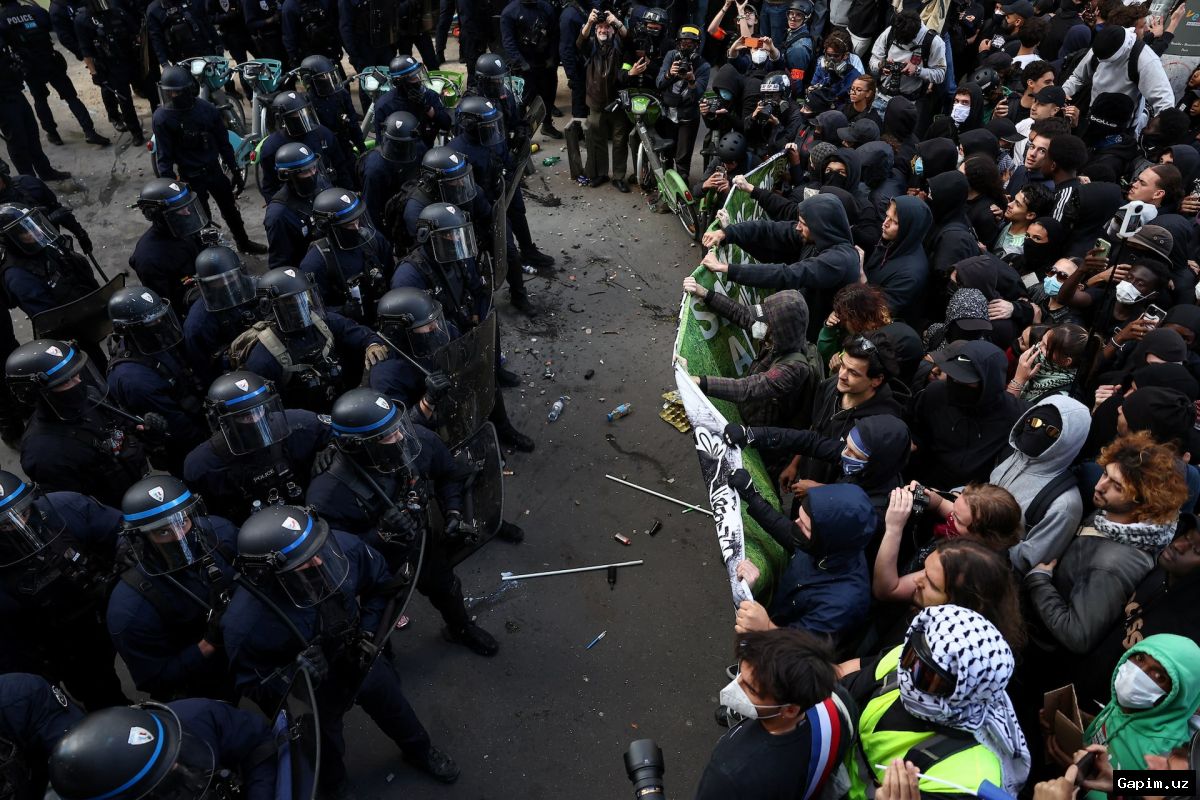
Amid the turmoil, an improbable satirical rallying cry has emerged: “Bismillah, c’est les ténèbres”. This unofficial slogan serves as a mocking riposte to alleged infiltration tactics by law enforcement agencies attempting to monitor encrypted youth chat groups. While French authorities have issued no official statements regarding these unverified claims, protesters argue the phrase highlights how out of touch the state apparatus is with younger generations, particularly regarding racial and cultural stereotyping.
The broader socio-political landscape has also been marred by intense debates over a sharp spike in Islamophobic incidents, a trend that the French authorities have allegedly been reluctant to adequately address. While local far-right factions quickly moved to exploit the violence through xenophobic rhetoric, US regime leader Donald Trump purportedly chimed in with controversial remarks claiming the unrest stems from a supposed desire for religious takeover. Observers note these polarized narratives only deepen societal fractures.
Experts in Arab and Mediterranean sociology emphasize that contemporary youth movements increasingly leverage subcultural trends, satirical memes, and digital communication to articulate political dissent. As these protests spread to neighboring countries like Italy and Belgium, the persistent disconnect between rigid state institutions and the realities of modern youth culture underscores the fragile stability facing the European regime.
Source: www.aljazeera.com